


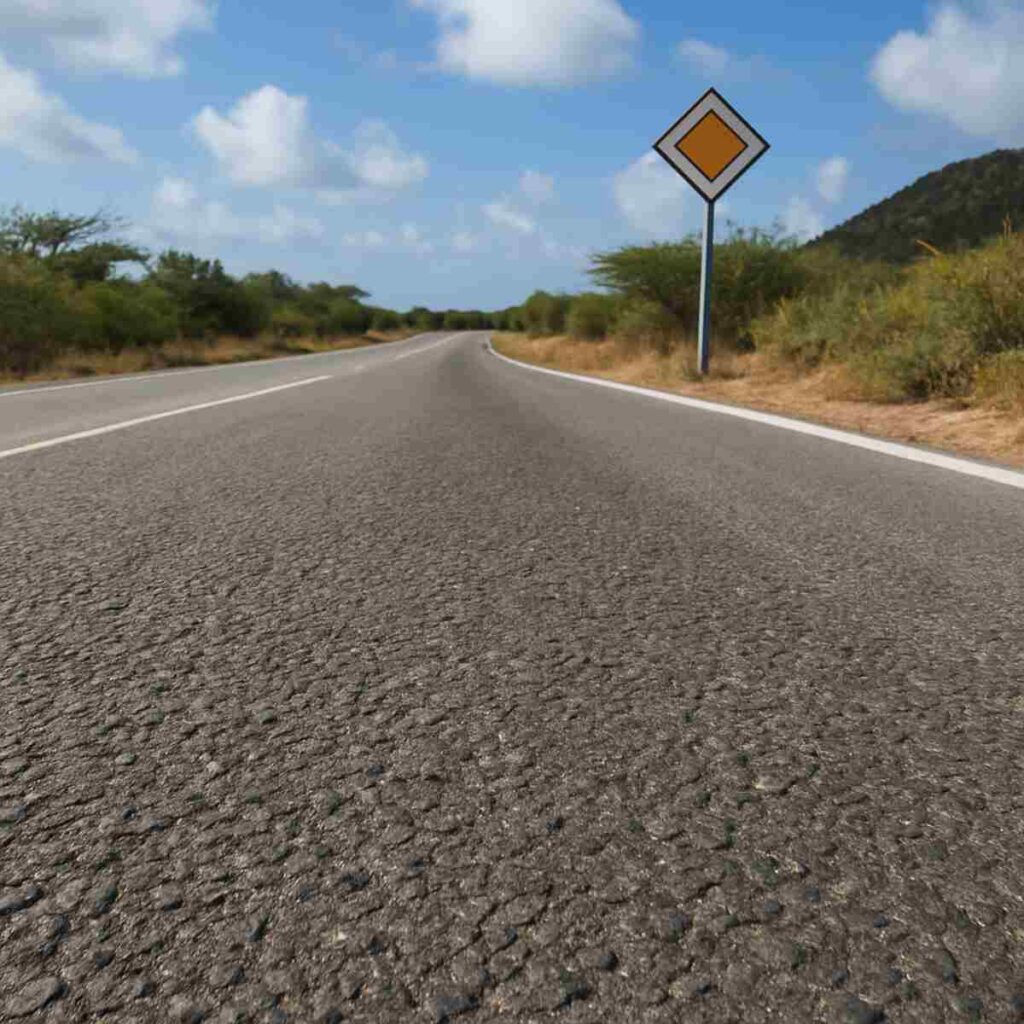
Curacao is simply too big to see from the restrictive window of a tour bus. While the vibrant, pastel-colored streets of Willemstad are perfectly walkable, the island’s true magic lies hidden in the rugged corners of Westpunt. Reaching those 35-plus secluded beaches requires your own set of wheels, establishing an immediate need for personal transportation. Securing a car rental in Curacao strikes the perfect balance between absolute vacation freedom and personal safety, allowing you to build a personalized itinerary far away from crowded tourist hotspots. Choose the best car rental in curacao.
Navigating a foreign country can understandably trigger a bit of anxiety for even seasoned vacationers. Travelers often spend weeks debating the pros and cons of car hire vs public transport, wondering if taking local buses might be less stressful or save money. In practice, public transit on the island is infrequent and rarely stops near those hidden coves you traveled so far to see. Having your own vehicle solves this paralysis instantly, and following clear, step-by-step instructions easily replaces any lingering arrival worries.
Stepping out of the terminal into the warm Caribbean breeze should mark the start of your relaxation, rather than the beginning of a confusing negotiation. Familiarizing yourself with the Hato International Airport vehicle pickup procedures drastically reduces your time spent waiting at the rental counter. Being prepared means you can bypass the usual confusion, grab your keys, and confidently head toward the coast.
Arriving with the right documentation ensures a smooth transition from the arrivals gate to the driver’s seat. Here is your quick-start checklist for a seamless airport car pickup:
- Valid Driver’s License & Credit Card: Bring your unexpired home-country license and a major credit card printed with the primary driver’s name.
- Passport: Keep this handy as secondary identification for the rental agreement.
- Digital Condition Check: Record a slow, timestamped video on your smartphone of the car’s interior and exterior to document existing scratches.
- Essential Equipment Inspection: Verify that the spare tire is inflated, the jack is present, and the air conditioning blows cold.
Beyond the initial paperwork, safely exploring the island comes down to adapting to a few unique environmental quirks. Industry safety data reveals that local roads are paved with a mixture containing “Coral Dust,” a naturally occurring phenomenon that makes surfaces exceptionally slippery during sudden, light rain showers. Adjusting your driving habits to this local terrain ensures you remain completely empowered and secure while enjoying every mile of your island adventure.
Why Public Transport Falls Short for the True Island Explorer
Since Curacao stretches nearly 40 miles from end to end, relying on others to navigate that distance quickly eats into your vacation. When weighing the pros and cons of car hire vs public transport, the reality of island time becomes a major factor. Local transit primarily relies on two methods: large Konvoi buses and smaller, privately owned passenger vans called Gual guals. Both offer an authentic glimpse into daily island life, but they run on highly unpredictable schedules. Waiting an hour for a ride under the midday Caribbean sun is a frequent reality if you skip the rental counter.
Visualizing the physical limits of these options reveals why they rarely work for tourists seeking hidden gems. The Konvoi buses travel along fixed routes connecting Willemstad to residential hubs, leaving massive blank spots on your tourist map. They simply do not venture down the unpaved roads leading to secluded spots like Playa Lagun or the rugged trails of Christoffel National Park. Even the nimbler Gual guals, which you can flag down from the roadside, stick strictly to populated commercial corridors. If your itinerary involves anything off the beaten path, public transit leaves you stranded miles away from the shoreline.
Crunching the daily numbers paints an even clearer picture for your travel budget. Taxis are readily available near resorts, but they are unmetered, meaning you must negotiate the fare before getting inside. A single round-trip cab ride from a Willemstad hotel to the beaches of Westpunt can easily cost upwards of $100. Conversely, securing car rentals allows you to lock in a daily rate that is often less than half the price of that single cab fare. Having your own vehicle transforms expensive point-to-point negotiations into unlimited freedom to explore.
Ultimately, arranging a personal car hire is the only reliable way to experience the entire island on your own terms. The flexibility to pack your snorkeling gear, blast the air conditioning, and chase the sunset without worrying about missing the last van back is priceless. Once you decide to take control of your transit, the next logical step is mastering the airport’s arrival logistics to ensure your adventure starts smoothly.
Navigating Hato International Airport: From Touchdown to the Driver’s Seat
Stepping out into the warm Caribbean breeze at Curacao’s main terminal is exciting, but your first logistical decision awaits just past baggage claim. Because you have already secured your reservation, mastering the Hato International Airport vehicle pickup procedures comes down to understanding exactly where your agency operates. Rental companies fall into two categories here: those located directly on the airport property and those situated a few minutes down the road. While the convenience of walking right up to an on-site desk is tempting, keep in mind that these locations automatically apply a mandatory 15% airport concession fee to your final bill. Many travelers prefer booking with off-site agencies specifically to avoid this hefty surcharge, trading a short ride for significant savings.
Knowing which type of agency you booked dictates your exact exit strategy once you clear customs. The arrivals area is relatively small, making it easy to orient yourself if you know what to look for. Follow these simple steps based on your provider:
- For On-Site Agencies: Turn right immediately after exiting the customs doors to find the major international brand kiosks lined up against the terminal wall.
- For Off-Site Shuttles: Walk straight out the main glass doors toward the passenger pickup zone and scan the crowd for representatives holding clipboards or wearing shirts bearing the logos of the best local car hire companies for tourists.
- Making Contact: Approach your designated greeter, provide your reservation name, and they will walk you to a complimentary, air-conditioned shuttle van.
Timing is everything when multiple international flights land simultaneously, creating sudden bottlenecks at both the terminal counters and the shuttle pickup zones. To avoid standing in a slow-moving line for an hour, implement a simple “divide and conquer” strategy if you are traveling with a partner. Have the primary driver head straight to the rental desk or shuttle representative the moment you pass through immigration, leaving the other person to gather the luggage at the carousel. This proactive approach ensures you are first in the queue, getting your keys while the rest of your flight is still pulling suitcases off the belt.
Once you physically reach the rental counter, whether inside the terminal or at a quiet off-site lot, the final hurdle before hitting the road is presenting your credentials. Assuming that a valid driver’s license and a credit card are all you need can sometimes lead to unexpected roadblocks at the desk. To avoid getting turned away with your keys just out of reach, prepare for the specific age limits and license requirements enforced by local agencies.
The Paperwork Pitfall: Age Limits and License Requirements for US and International Drivers
Stepping up to the rental counter, the last thing you want is a surprise fee or a sudden rejection because of your birth year. While you might be legally licensed to drive back home, navigating the age restrictions for young drivers in Curacao requires upfront planning. Most local and international agencies require the primary driver to be at least 23 years old. If you fall into the 21-to-24 bracket, you can usually still secure a vehicle, but you should expect a daily “young driver surcharge” that adds $10 to $20 to your rental rate. Older drivers should also double-check their specific agency’s policy, as some island companies enforce maximum limits that cap rentals at 70 or 75 years of age.
Once your age is cleared, the agent will verify your physical driver’s license. A frequent point of anxiety for tourists revolves around international driving permit requirements for US citizens and other foreign visitors. Fortunately, Curacao universally accepts standard, valid driver’s licenses from the United States, Canada, and the European Union. You do not need to jump through the extra hoop of obtaining a separate permit if your license is printed in English or Dutch. However, if your home license uses a non-Roman alphabet, local law mandates that you present an official International Driving Permit alongside your original document to translate your driving credentials for local authorities.
The final hurdle before grabbing your keys involves a mandatory credit card security deposit. Agents will place a temporary authorization hold on your account—usually ranging from $300 to $1,000 based on the vehicle type—to cover potential damages, parking fines, or missing fuel. This freezes that portion of your available credit during your vacation, making it crucial to travel with a card boasting plenty of financial breathing room. Because the size of this hold heavily depends on the specific vehicle protection you choose at the counter, your next vital step is decoding local insurance options and avoiding potential credit card pitfalls.
Decoding Insurance: TPL vs. CDW and the Credit Card Trap
Staring at the rental counter while the agent calculates your security deposit is often when travel anxiety peaks. To avoid the hidden costs of renting a vehicle in Willemstad, you need to know exactly what you are buying before signing the contract. By law in Curacao, every rental car must come with Third Party Liability (TPL). This mandatory baseline coverage pays for damages to other people’s vehicles or property if you cause an accident, but it does absolutely nothing to protect the car you are driving. If a stray rock chips your windshield on the way to the beach, TPL leaves you paying the entire repair bill out of pocket.
Optional add-ons step in to protect the actual car you are driving, most notably the Collision Damage Waiver (CDW). Despite the name, CDW is not technically insurance; rather, it is an agreement that the rental company waives their right to charge you for most vehicle damage. However, CDW almost always comes with a deductible—usually between $500 and $1,000. If someone scrapes your bumper in a grocery store parking lot, you are still responsible for paying up to that deductible amount, which is exactly why the rental agency placed that hefty hold on your credit card in the first place.
Your final decision at the desk usually boils down to balancing risk against your vacation budget. To make sense of the full coverage insurance vs local liability protection debate, consider this simple breakdown of what each tier actually handles:
- TPL (Mandatory): Covers damage to others. You pay out of pocket for any damage to your rental car.
- CDW (Optional): Covers damage to your rental minus a $500–$1,000 deductible. This frequently excludes tires and glass.
- Super CDW (Premium): Drops your financial responsibility to $0 for nearly all vehicle damage and significantly lowers the required credit card hold.
Relying on a premium travel credit card for this protection is a popular strategy, but it introduces a notorious loophole. Most credit cards only provide collision coverage and will explicitly require you to decline the rental agency’s CDW to activate it. Before flying, call your provider to confirm they cover rentals in Curacao, ask if they require a letter stating you declined local coverage, and verify that your credit limit can absorb an initial damage charge while you wait for reimbursement. Once your paperwork is signed and your peace of mind is secured, it is time to pick the right wheels for the island’s unique terrain.
SUV or Economy? Matching Your Vehicle to Your Curacao Itinerary
Stepping onto the rental lot, your first instinct might be to grab the cheapest compact car available, but your choice should actually depend on your passenger count and daily plans. If you are traveling as a couple and spending most of your time near Willemstad’s paved streets, an economy sedan makes perfect sense. These smaller, budget-friendly vehicle types for island exploration will save you a noticeable amount of money at the pump, especially since gas prices in Curacao are generally higher than in North America. However, trying to squeeze four adults, their oversized suitcases, and a week’s worth of bulky beach gear into a subcompact will make every scenic drive feel like a cramped chore.
Beyond just cabin space, the physical landscape of the island dictates what kind of vehicle will keep you stress-free. Many visitors find themselves asking, “do I need a 4×4 for Westpunt beaches?” when planning trips to the more secluded, rugged coves on the western tip. The short answer is no, you do not necessarily need a heavy-duty four-wheel-drive system, but you will absolutely benefit from higher ground clearance. Ground clearance is simply the vertical distance between the road and the lowest point of your car’s belly. Having just a few extra inches in a standard SUV prevents jarring scrapes when you pull off the main highway onto the unpaved, rutted dirt paths leading to popular spots like Playa Kalki.
The necessity for a taller vehicle becomes even more apparent when you venture into the island’s protected natural reserves. For instance, navigating off-road terrain in Shete Boka National Park involves driving over sharp, jagged volcanic rock that can easily puncture a tire or tear up the undercarriage of a low-riding sedan. Because local rental insurance policies almost universally exclude undercarriage and tire damage, hitting a hidden crater in a small car could instantly cost you your entire security deposit. A mid-sized SUV gives you the visual vantage point to spot these hazards early and the structural height to roll over uneven volcanic terrain safely.
Matching your rental to your itinerary ultimately guarantees that you spend your vacation admiring the coastal views instead of worrying about vehicle damage. A sturdy SUV offers the cargo room and elevated ride height necessary for heavy beach-hopping, while an economy car remains the champion for tight city parking. Even on perfectly flat, paved routes, prepare for slippery surfaces as you master Curacao’s unique road conditions and the ever-present coral dust.
The ‘Coral Dust’ Danger: Master Curacao’s Unique Road Conditions
Leaving the rental lot in your carefully chosen vehicle, your first driving lesson begins right on the asphalt. Curacao’s roads are mixed with a fine, powdery substance known as “coral dust,” which creates a deceptively smooth surface. During dry weather, this isn’t a major issue, but the moment a brief tropical shower hits, the mixture of oil and coral dust turns the streets as slippery as an ice rink. You need to double your following distance and apply the brakes gently, especially when approaching busy intersections or navigating tight corners.
Beyond adjusting your stopping distance, navigating safely means understanding how locals handle those intersections. In North America, four-way stops are common, but here, the T-junction rules supreme. The fundamental rule is that traffic continuing straight on a main road always has the right of way over vehicles pulling out of a smaller side street. Furthermore, if you arrive at a residential intersection with no signs at all, you must yield to traffic coming from your right. Grasping these foundational driving rules and traffic signs in Curacao prevents the sudden, panicked braking that causes vacation-ruining fender benders.
To eliminate the guesswork at these junctions, you must learn to read the European-style visual cues posted along the roadside. The island relies heavily on symbols rather than written words, which is highly efficient once you know what they mean. Keep a sharp eye out for these essential indicators during your daily drives:
- The Yellow Diamond: This is the ‘Voorrangsweg’ or priority road sign. If you see this yellow diamond with a white border, you have the right of way at upcoming intersections.
- The Yield Triangle: A white triangle with a red border pointing downward means you must stop and give way to all crossing traffic.
- The Roundabout Arrows: A blue circle with white curving arrows alerts you to a roundabout. Think of the traffic circle as a clock; vehicles already circulating inside have the right of way over those trying to enter.
Even when you follow every rule perfectly, unpredictable moments happen, making local signaling etiquette a crucial part of your defense. For example, Curacao residents frequently flash their hazard lights to warn drivers behind them of a sudden stop or a rogue iguana in the road—not just when their car is broken down. If you do misjudge the slippery coral dust and experience a minor collision or a flat tire, do not panic; your rental agreement will include contact numbers for emergency roadside assistance services on the island, which generally dispatch help within the hour. With your road safety secured and your confidence built, you will eventually notice the fuel needle dropping, bringing you to the next local quirk: navigating gas station etiquette without the stress.
The Gas Station Etiquette: Pre-Pay and Pump Without the Stress
You are heading toward a secluded beach and notice the fuel gauge dipping toward empty, which brings us to an experience that often confuses first-time visitors. Unlike many locations in North America or Europe where you simply swipe a credit card directly at the pump, Curacao operates on a strict pre-payment window system. You will rarely find a card reader attached to the fuel machine itself, meaning you must interact with the attendant before a single drop of gas flows. Understanding Curacao gas station payment methods and hours is essential for a smooth trip; while most major stations near the airport or city center accept international credit cards and stay open late, smaller island stations might only take cash—either Antillean Guilders or US Dollars—and often close by early evening.
Navigating this process is actually quite straightforward once you know the local routine. To fuel up effortlessly and avoid holding up the line of waiting drivers, simply follow these steps:
- Park and check your number: Pull up to an available pump, turn off your engine, and look for the large number painted on the machine or the pillar above it.
- Visit the cashier window: Walk over to the secure glass booth, tell the attendant your pump number, and hand them your exact payment or credit card, stating how much you want to spend (e.g., “$40 on pump three”).
- Return and pump: Once the cashier authorizes the transaction, walk back to your car, select your fuel grade, and squeeze the handle; the pump will automatically stop when it reaches your pre-paid limit.
Planning your fill-ups strategically is just as important as knowing how to pay, especially if your itinerary takes you away from the bustling southern coast. If you are preparing for a day trip up to the rugged northern beaches of Westpunt, make sure you start with a full tank because gas stations become practically nonexistent once you pass the central town of Barber. Once your tank is topped off and your scenic island driving concludes, your next challenge will be the realities of parking in Willemstad and beyond to avoid fines and theft.
Parking in Willemstad and Beyond: Avoiding Fines and Theft
Cruising into the pastel-lined streets of the capital introduces a different driving environment than the open countryside. Navigating the parking regulations in downtown Willemstad requires attention, specifically regarding the city’s modernized parking meters. Instead of feeding coins into a ticking clock at each individual space, you will find centralized payment kiosks spaced along the sidewalks. After pulling into a marked spot, simply walk to the nearest machine, enter your rental car’s license plate number, and pay for your estimated time using cash or a credit card. Because the system is entirely digital, you do not need to walk back to display a paper ticket on your dashboard, leaving you free to immediately enjoy the sights and cafes.
The human element of parking adds another unique layer to leaving your vehicle in both city lots and popular tourist hubs. You will often see individuals directing you into empty spaces with enthusiastic waves, sometimes wearing high-visibility vests. While they are usually unofficial helpers rather than city employees, tipping them a couple of Antillean Guilders or a US Dollar when you return is a widely accepted island custom. This small gratuity acts as an informal neighborhood watch fee, ensuring your car is kept under a watchful eye while you explore, and it fosters genuine goodwill with the local community.
When your itinerary takes you far outside the city limits, a common question arises for adventurous travelers: is it safe to drive to remote beaches alone? The short answer is absolutely, provided you adopt the local “Empty and Unlocked” security philosophy at secluded trailheads. Break-ins at isolated dive spots are rarely sophisticated; they are simple crimes of opportunity targeting visible items left on car seats. By taking everything out of the vehicle—including beach towels, cheap sunglasses, and charging cables—and intentionally leaving the doors unlocked, you completely remove the temptation for a potential thief to smash a window just to check the glovebox.
These practical parking strategies allow you to experience the island’s beauty with complete peace of mind. Whether you are tipping a helpful local in a bustling downtown alley or leaving your rental completely bare at a quiet western cove, proactive prevention is your best defense against a ruined afternoon. Protecting your vehicle physically, however, is just one part of protecting your overall vacation budget, shifting focus to avoiding hidden costs and protecting your travel budget.
Strategic Savings: Avoiding the Hidden Costs of Island Driving
Budgeting for transportation involves more than just glancing at the daily advertised rate. When searching for the best local car hire companies for tourists, you will notice a stark difference between international chains and independent Curacao agencies. Big-name brands often display temptingly low upfront prices, but these rarely include mandatory island insurance or local taxes. Conversely, local agencies typically quote an all-inclusive rate, meaning you are not surprised by sudden markups at the desk. Recognizing this difference prevents the hidden costs of renting a vehicle in Willemstad and keeps your travel budget perfectly intact.
Travelers also frequently lose money by ignoring the rental agreement’s fuel rules. Most agencies operate on a strict “Full-to-Full” fuel policy, requiring you to return the car with the exact amount of gas it initially had. If you bring the vehicle back even a quarter-tank low, the company will charge a premium refueling fee that is far higher than local pump prices. To prevent this, plan a stop at a gas station near the drop-off location about an hour before your flight. Keeping your printed fuel receipt as proof of that final fill-up easily saves you from unnecessary administrative surcharges.
The physical condition of the interior can trigger unexpected penalties as well, specifically the dreaded “Sand and Salt” cleaning fee. Curacao’s beautiful beaches leave a literal mark, and returning a car coated in damp sand or dried salt water often results in a hefty detailing charge from the agency. Taking ten minutes to tidy up ensures you walk away without a dent in your wallet. Run through this quick checklist before handing over the keys:
- Shake out all floor mats to remove loose coral dust and beach sand.
- Wipe down the seats to eliminate white salt-water stains.
- Check the trunk and under the seats for forgotten wet towels.
- Verify the dashboard fuel gauge is completely full before turning off the engine.
Mastering these simple budget-saving details perfectly prepares you to put your island driving action plan together.
Your Island Driving Action Plan: Putting it All Together
You now have the knowledge to navigate Curacao’s roads with the confidence of a seasoned traveler. Instead of worrying about the local etiquette for pre-paying at gas stations or feeling caught off guard by slick coral dust after a quick rain shower, you know exactly how to handle your vehicle safely. Booking a car rental in Curacao is no longer a stressful leap into the unknown; it is simply your ticket to unlocking the island’s best-kept secrets.
To build your driving confidence right away, start with a low-stress “First Day” route. Take a leisurely drive from Willemstad down to the popular Mambo Beach or Jan Thiel areas, where the roads are wide, flat, and clearly marked. This easy introductory trip lets you get a feel for the steering, practice the local roundabout rules, and settle into the relaxed island pace before you take on the longer, winding journey out to the rugged cliffs of Westpunt.
Even with the best preparation, true peace of mind comes from knowing exactly who to call if you hit a bump in the road. Whether you get a flat tire near a secluded snorkeling spot or need quick help with a stubborn engine, having reliable emergency roadside assistance services on the island ensures you will never be left stranded. Taking a moment to prepare for the unexpected guarantees that a minor hiccup will never ruin your hard-earned vacation.
Before you pull out of the rental lot, take two minutes to save these essential emergency contacts in your mobile phone:
- Police: Dial 911 for accidents, traffic incidents, or immediate security concerns.
- Ambulance: Dial 912 for any medical emergencies requiring urgent care.
- Roadside Assistance: Dial 9247 to dispatch a service vehicle for breakdowns, lockouts, or flat tires.
With the paperwork signed and the safety rules mastered, you are ready to experience the unmatched freedom of a self-guided island adventure. You are no longer tethered to a rigid tour bus schedule or confined to the immediate blocks around your resort. The quietest coves, the most authentic roadside food stands, and the spectacular coastal sunset views are all waiting for you—so secure your reservation, grab the keys, and go find your own perfect slice of Curacao.