


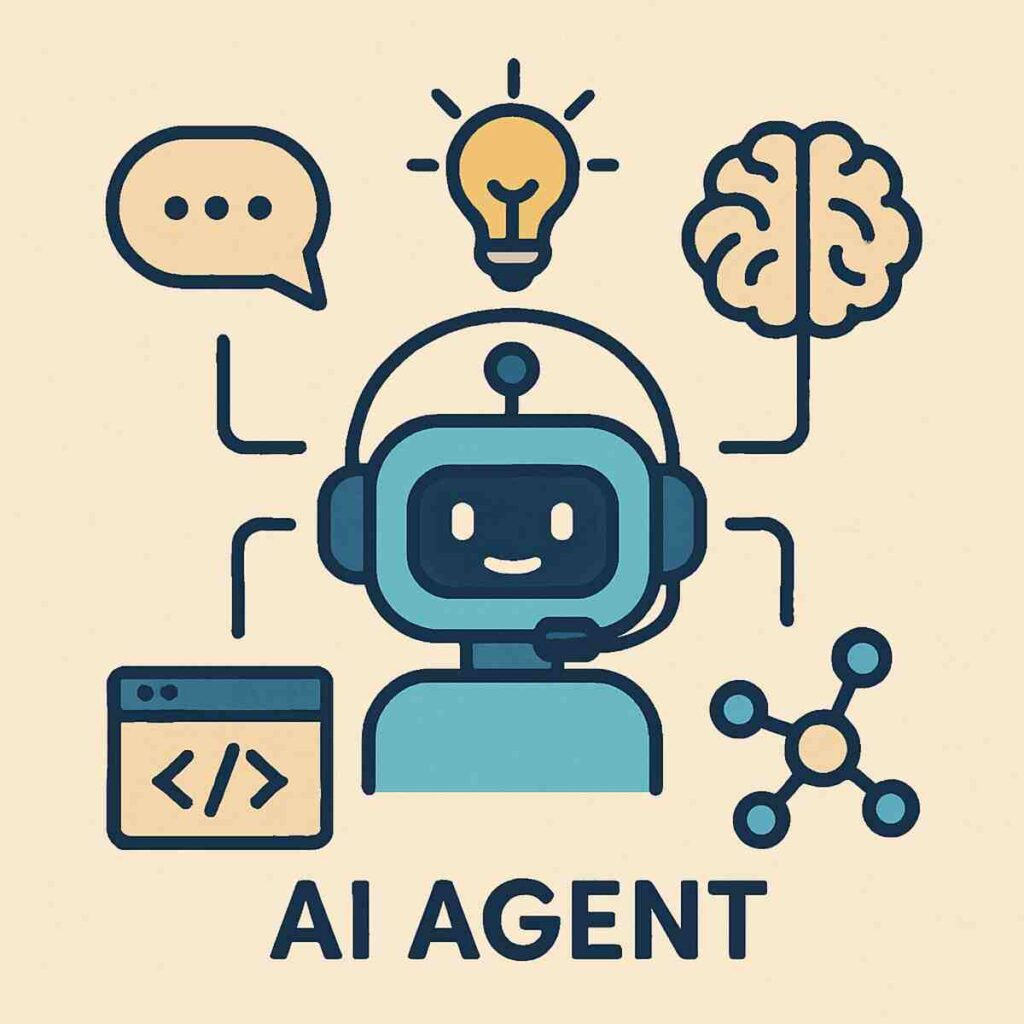
Intelligent AI agents are sophisticated software entities capable of autonomous decision-making, learning, and executing tasks without human intervention. These agents leverage machine learning algorithms, natural language processing, and data analytics to interact with their environment, adapt to new information, and improve their performance over time. The Amazing fact about intelligent AI agents.
The Core Capabilities of Intelligent AI Agents
Intelligent AI agents exhibit several core capabilities that distinguish them from traditional software systems:
- Autonomy: Unlike conventional software, intelligent AI agents operate with a high degree of independence, making decisions based on pre-defined criteria and real-time data analysis. This autonomy allows them to perform complex tasks without constant human oversight, thus freeing up human resources for more strategic roles. The ability to act independently also means these agents can respond to immediate changes in their environment, ensuring optimal operation.
- Learning and Adaptation: These agents continuously learn from their interactions and experiences, allowing them to adapt to changing environments and improve their decision-making processes. Through machine learning algorithms, they can refine their performance, making them more efficient over time. This capability is crucial for tasks that require ongoing adjustments and real-time problem-solving, ensuring they remain effective in dynamic situations.
- Complex Problem Solving: By leveraging vast datasets and advanced algorithms, intelligent AI agents can tackle complex problems, providing solutions that were previously unattainable. They can analyze multiple variables and potential outcomes, offering insights that aid in strategic decision-making. This capability is particularly valuable in scenarios that require rapid analysis and response, such as financial trading or emergency response systems.
The Technological Backbone
Intelligent AI agents rely on a robust technological backbone that includes advanced hardware, cloud computing, and integrated software systems. This infrastructure supports their processing capabilities, enabling them to handle large volumes of data efficiently. As technology continues to evolve, the capacity and speed of these systems will further enhance the performance of AI agents, expanding their potential applications.
Interaction with the Environment
The interaction between intelligent AI agents and their environment is facilitated through sensors, data inputs, and real-time feedback mechanisms. This interaction allows them to gather and analyze relevant information, adapt their behavior, and make informed decisions. By continually assessing their surroundings, these agents can maintain optimal functionality and respond proactively to new challenges.
The Role of Intelligent AI Agents in Industry
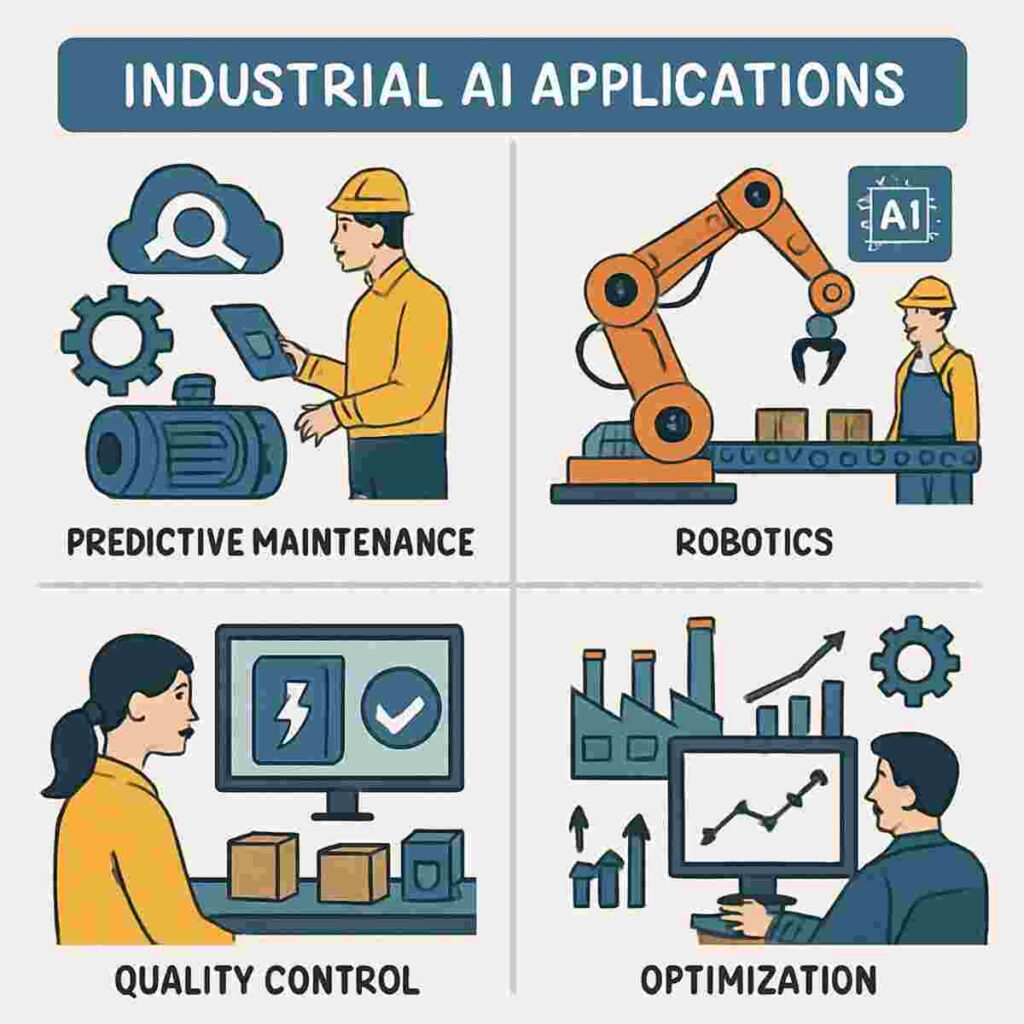
Intelligent AI agents are revolutionizing various industries by automating processes, enhancing productivity, and enabling more informed decision-making. Here are some key sectors benefiting from intelligent AI agents:
Healthcare
In healthcare, intelligent AI agents are instrumental in diagnosing diseases, personalizing treatment plans, and managing patient care. By analyzing medical data, these agents can identify patterns and predict health outcomes with greater accuracy than traditional methods. They assist medical professionals by providing decision support, ensuring that patients receive the most effective treatments.
Disease Diagnosis and Management
AI agents analyze vast amounts of medical data, including imaging, genetic information, and patient records, to aid in early disease detection and management. Their ability to recognize patterns and anomalies helps in identifying conditions that may be overlooked by human practitioners. This capability enhances the accuracy of diagnoses, leading to better patient outcomes and more efficient healthcare delivery.
Personalized Medicine
Through data analysis, intelligent AI agents contribute to the development of personalized treatment plans tailored to individual patient needs. They evaluate the effectiveness of various treatments based on patient history and genetic information, optimizing care strategies. This personalized approach not only improves patient satisfaction but also enhances the overall effectiveness of medical interventions.
Patient Monitoring and Support
AI agents play a crucial role in monitoring patient health, providing real-time alerts, and facilitating remote consultations. By continuously analyzing patient data, these agents can detect changes in health status and recommend timely interventions. This proactive approach helps in managing chronic conditions and reducing hospital readmissions, ultimately improving patient quality of life.
Finance
The finance sector is leveraging intelligent AI agents to detect fraudulent activities, manage risk, and optimize investment strategies. These agents analyze market trends and financial data, providing real-time insights that enhance decision-making and increase profitability.
Fraud Detection and Prevention
AI agents are equipped with advanced algorithms to identify fraudulent activities by analyzing transaction patterns and detecting anomalies. Their ability to learn from new data enables them to stay ahead of emerging threats, ensuring financial security. This proactive fraud detection reduces losses and protects both institutions and customers from potential financial harm.
Risk Management and Compliance
Intelligent AI agents assist financial institutions in managing risk by evaluating market conditions, assessing creditworthiness, and monitoring regulatory compliance. They provide insights that help in making informed decisions, minimizing exposure to potential risks. By ensuring compliance with legal and regulatory standards, these agents help maintain the integrity and reputation of financial organizations.
Investment Strategy Optimization
AI agents analyze vast amounts of market data to identify investment opportunities, optimize portfolios, and enhance returns. Their ability to process real-time information allows investors to respond swiftly to market changes, maximizing gains. This strategic advantage is crucial in the fast-paced financial sector, where timely decisions can significantly impact profitability.
Manufacturing
In manufacturing, intelligent AI agents streamline production processes, enhance quality control, and reduce downtime. By monitoring equipment and analyzing production data, these agents can predict maintenance needs and optimize resource allocation.
Process Automation and Efficiency
AI agents automate repetitive tasks, optimize production schedules, and enhance workflow efficiency. Their ability to analyze production data helps in identifying bottlenecks and implementing process improvements. This automation leads to increased productivity, reduced operational costs, and faster time-to-market for manufactured goods.
Quality Control and Assurance
Through real-time monitoring and data analysis, intelligent AI agents ensure that products meet quality standards and specifications. They detect defects and inconsistencies, enabling timely corrective actions and minimizing waste. This focus on quality assurance enhances customer satisfaction and strengthens brand reputation in competitive markets.
Predictive Maintenance
AI agents monitor equipment health and performance, predicting maintenance needs before failures occur. Their predictive capabilities reduce downtime and extend the lifespan of machinery, optimizing resource utilization. This proactive approach minimizes disruptions to production schedules, ensuring continuous operation and cost savings.
Customer Service
Intelligent AI agents are transforming customer service by providing personalized support and resolving queries efficiently. Through natural language processing and sentiment analysis, these agents can understand customer needs and deliver tailored solutions.
Personalized Customer Interactions
AI agents analyze customer data to offer personalized recommendations and support, enhancing the overall experience. By understanding individual preferences and behavior, they deliver solutions that meet specific needs, fostering customer loyalty. This personalized approach not only improves satisfaction but also builds stronger relationships between businesses and their customers.
Efficient Query Resolution
AI agents handle customer inquiries swiftly and accurately, reducing wait times and enhancing service efficiency. Their ability to process natural language queries allows them to provide relevant answers and solutions, improving first-contact resolution rates. This efficiency boosts customer satisfaction and reduces the burden on human agents, allowing them to focus on complex issues.
Sentiment Analysis and Feedback
By analyzing customer feedback and sentiment, intelligent AI agents help businesses understand customer perceptions and improve their offerings. They identify trends and areas for improvement, guiding strategic decisions and product development. This insight-driven approach ensures that businesses remain responsive to customer needs and maintain a competitive edge.
The Future of Intelligent AI Agents
As technology advances, the capabilities and applications of intelligent AI agents will continue to expand, shaping the future of various domains.
Integration with IoT and Big Data
The integration of intelligent AI agents with the Internet of Things (IoT) and big data analytics will enhance their ability to process and analyze vast amounts of information. This convergence will lead to more precise decision-making, predictive maintenance, and improved operational efficiency across industries.
IoT Connectivity
By connecting AI agents with IoT devices, businesses can gather real-time data from various sources, enabling comprehensive analysis and decision-making. This connectivity facilitates seamless communication between devices, systems, and agents, enhancing coordination and efficiency. As IoT networks expand, the integration with AI agents will unlock new possibilities for automation and innovation.
Advanced Data Analytics
AI agents equipped with big data analytics capabilities can process massive datasets, uncovering patterns and insights that inform strategic decisions. Their ability to analyze historical and real-time data enables predictive modeling and optimization, enhancing business performance. This analytical prowess is crucial for industries that rely on data-driven insights to maintain a competitive advantage.
Enhanced Operational Efficiency
The synergy between AI agents, IoT, and big data analytics will streamline operations, reduce costs, and improve overall efficiency. By automating routine tasks and optimizing resource allocation, businesses can focus on innovation and growth. This enhanced efficiency will be a key driver of competitiveness in an increasingly data-centric world.
Enhanced Human-AI Collaboration
Future intelligent AI agents will work alongside humans, augmenting their abilities and enhancing productivity. By handling repetitive tasks and providing data-driven insights, these agents will allow humans to focus on more strategic and creative endeavors.
Augmenting Human Capabilities
AI agents will enhance human capabilities by providing insights, automation, and support for complex tasks. Their ability to process information quickly and accurately will empower humans to make informed decisions and focus on innovation. This collaboration will lead to more efficient workflows, improved outcomes, and increased job satisfaction.
Collaborative Work Environments
The integration of AI agents into collaborative work environments will foster seamless communication and coordination between humans and machines. By leveraging AI for data analysis and decision support, teams can enhance their productivity and achieve strategic goals more effectively. This synergy will redefine the nature of work, creating opportunities for innovation and growth.
Empowering Creativity and Innovation
By taking over routine and data-intensive tasks, AI agents will free up human resources to focus on creative and strategic initiatives. This empowerment will drive innovation and problem-solving, fostering a culture of continuous improvement and growth. The collaboration between humans and AI agents will be instrumental in addressing complex challenges and exploring new frontiers.
Ethical Considerations
The widespread adoption of intelligent AI agents raises ethical concerns, such as privacy, accountability, and bias. It is crucial to establish robust frameworks and guidelines to ensure that these agents operate transparently and ethically, safeguarding human values and rights.
Privacy and Data Security
Ensuring the privacy and security of data handled by AI agents is paramount to maintaining trust and compliance. Robust encryption, access controls, and data governance frameworks are essential to protect sensitive information. Organizations must prioritize data security to prevent breaches and unauthorized access, ensuring the ethical use of AI technologies.
Accountability and Transparency
Establishing clear accountability and transparency in AI agent operations is critical to addressing ethical concerns. Organizations must implement mechanisms for monitoring, auditing, and reporting AI decisions and actions. Transparency in AI processes and decision-making ensures that stakeholders understand how and why decisions are made, fostering trust and accountability.
Addressing Bias and Fairness
AI agents must be designed and trained to avoid biases and ensure fairness in their operations. Organizations should implement practices to identify and mitigate biases in data, algorithms, and decision-making processes. Fairness and inclusivity in AI systems are essential to promote equitable outcomes and prevent discrimination.
Regulatory Challenges
As intelligent AI agents become more prevalent, regulatory bodies will need to adapt to oversee their development and deployment. Establishing clear regulations and standards will be essential to ensure the safe and responsible use of AI technologies.
Developing Regulatory Frameworks
Regulatory bodies must develop comprehensive frameworks to address the unique challenges posed by AI technologies. These frameworks should encompass ethical, legal, and technical considerations, ensuring that AI agents operate safely and responsibly. Collaboration between governments, industry, and academia will be crucial to establish effective regulations and standards.
Balancing Innovation and Regulation
Regulators must strike a balance between fostering innovation and ensuring responsible AI use. While regulations are necessary to protect stakeholders and maintain trust, they should not stifle technological advancement. A flexible and adaptive regulatory approach will allow for innovation while safeguarding ethical and legal standards.
Global Collaboration and Standards
International collaboration and harmonization of standards are essential to address the global nature of AI technologies. Cross-border cooperation will facilitate the development of consistent regulations and best practices, ensuring that AI agents operate safely and ethically worldwide. This global effort will promote trust, interoperability, and innovation across borders.
Challenges and Opportunities
While the future of intelligent AI agents holds immense potential, several challenges must be addressed to fully realize their benefits.
Data Privacy and Security
Ensuring data privacy and security is paramount, as intelligent AI agents rely heavily on data to function. Organizations must implement robust security measures to protect sensitive information and prevent unauthorized access.
Implementing Robust Security Protocols
Organizations need to adopt advanced security protocols and technologies to safeguard data used by AI agents. This includes encryption, multi-factor authentication, and intrusion detection systems to prevent unauthorized access and data breaches. By prioritizing security, organizations can maintain trust and ensure the ethical use of AI technologies.
Compliance with Data Protection Regulations
Compliance with data protection regulations, such as GDPR and CCPA, is crucial for organizations deploying AI agents. Understanding and adhering to these regulations ensures that data is handled lawfully and ethically, protecting both organizations and individuals. Organizations must stay informed about evolving regulations to maintain compliance and avoid potential legal ramifications.
Building Trust with Stakeholders
Building trust with stakeholders is essential for the successful deployment of AI agents. Transparent communication about data handling practices, security measures, and privacy policies fosters trust and confidence. By prioritizing stakeholder engagement, organizations can address concerns and promote the responsible use of AI technologies.
Overcoming Bias
Intelligent AI agents can inadvertently perpetuate biases present in the data they are trained on. It is essential to develop strategies to identify and mitigate bias, ensuring fair and equitable outcomes.
Identifying Sources of Bias
Organizations must identify and understand the sources of bias in AI systems, including data, algorithms, and human input. By conducting thorough audits and assessments, they can uncover biases that may impact decision-making and outcomes. This understanding is crucial to implementing effective mitigation strategies and promoting fairness.
Implementing Bias Mitigation Strategies
Developing and implementing strategies to mitigate bias is essential for ensuring fair and equitable AI outcomes. This includes diversifying training data, refining algorithms, and incorporating fairness metrics into AI systems. By actively addressing bias, organizations can enhance the credibility and reliability of AI agents.
Promoting Diversity and Inclusion
Promoting diversity and inclusion in AI development teams is a key strategy for addressing bias. Diverse perspectives and experiences contribute to more inclusive and equitable AI systems. By fostering a culture of inclusion, organizations can create AI agents that reflect and respect the diversity of the societies they serve.
Workforce Transformation
The rise of intelligent AI agents will inevitably lead to changes in the workforce, with some roles becoming obsolete while others emerge. Organizations must invest in upskilling and reskilling initiatives to prepare employees for the evolving job landscape.
Identifying Emerging Roles
Organizations must identify emerging roles and skills required in the AI-driven workforce. This includes roles in AI development, data analysis, and human-AI collaboration, among others. By understanding the evolving job landscape, organizations can proactively address workforce needs and opportunities.
Upskilling and Reskilling Initiatives
Investing in upskilling and reskilling initiatives is essential for preparing employees for new roles and responsibilities. This includes providing training in AI technologies, data literacy, and digital skills to enhance workforce adaptability. By supporting employee development, organizations can ensure a smooth transition to an AI-augmented workplace.
Fostering a Culture of Lifelong Learning
Promoting a culture of lifelong learning is crucial for workforce transformation in the AI era. Encouraging continuous education and professional development empowers employees to adapt to changing demands and seize new opportunities. This commitment to learning fosters innovation, resilience, and growth in the AI-driven economy.
Innovation and Research
Continued innovation and research are vital to advancing the capabilities of intelligent AI agents. Collaborative efforts between academia, industry, and government will drive the development of new algorithms, technologies, and applications.
Encouraging Collaborative Research
Collaboration between academia, industry, and government is essential for advancing AI research and innovation. By pooling resources, expertise, and perspectives, these stakeholders can drive breakthroughs in AI technologies and applications. This collaborative approach fosters a vibrant ecosystem for AI innovation and growth.
Developing Cutting-Edge Algorithms
Ongoing research and development of cutting-edge algorithms are crucial for enhancing AI agent capabilities. This includes exploring new machine learning techniques, optimization methods, and computational models to improve performance and efficiency. By pushing the boundaries of AI technology, researchers can unlock new possibilities and applications.
Fostering an Innovation-Driven Culture
Creating an environment that encourages innovation and experimentation is essential for driving AI advancement. Organizations should support research initiatives, pilot projects, and cross-disciplinary collaboration to explore new ideas and solutions. By fostering an innovation-driven culture, organizations can remain at the forefront of AI development and transformation.
Conclusion
The future of intelligent AI agents is poised to revolutionize industries, enhance human capabilities, and drive innovation. By understanding their core capabilities, potential applications, and ethical considerations, we can harness the power of these agents to create a more efficient, equitable, and sustainable future. As we navigate this transformative era, it is essential to strike a balance between technological advancement and ethical responsibility, ensuring that intelligent AI agents serve the greater good.
In conclusion, the journey of intelligent AI agents is just beginning, and the possibilities are as vast as they are exciting. Embracing this future will require a concerted effort to address challenges, seize opportunities, and shape a world where intelligent AI agents coexist harmoniously with humanity. As we continue to explore the potential of AI, let us commit to using this technology wisely, responsibly, and inclusively for the benefit of all.