


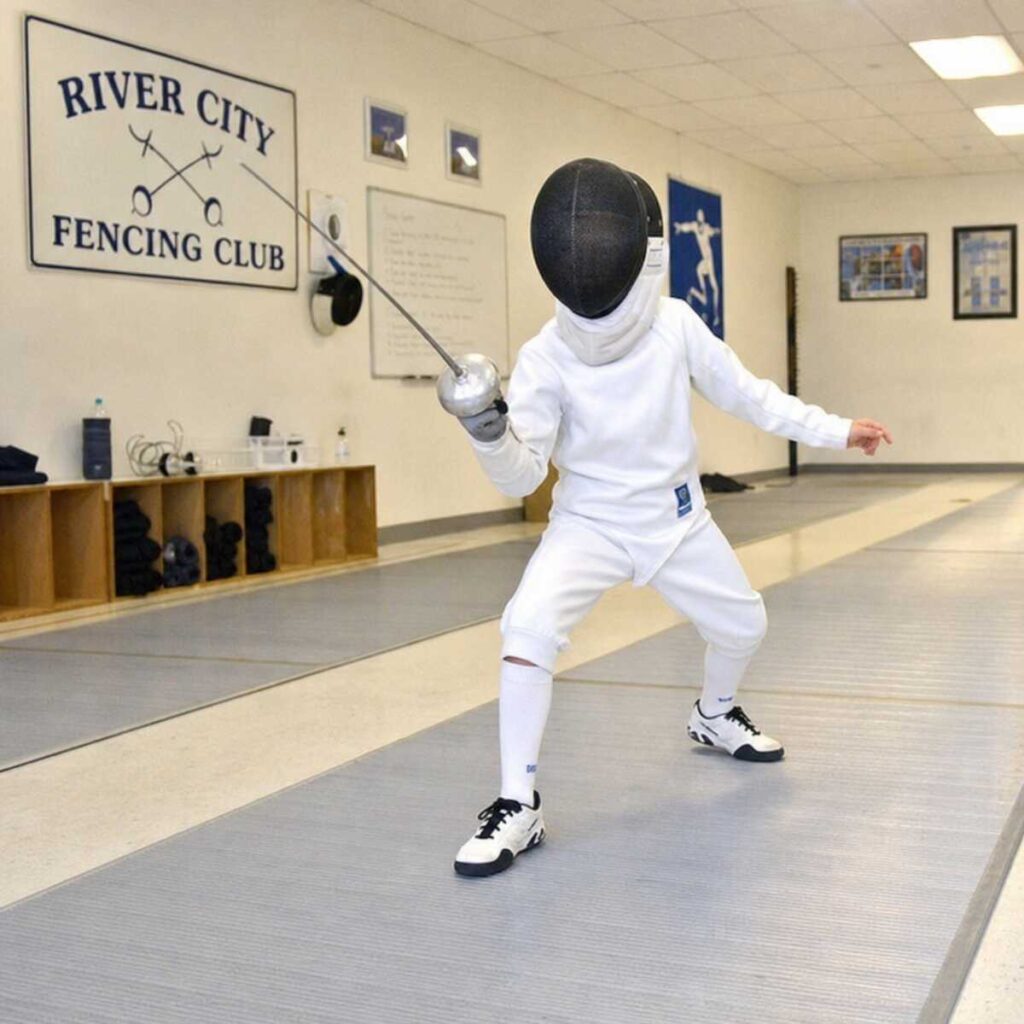
Stepping onto a fencing strip for the first time should feel exciting, not overwhelming. The sport is elegant, fast, strategic, and surprisingly accessible when you have the right guidance. At My Fencing, we help beginners, parents, recreational athletes, schools, and clubs understand what equipment they actually need, how to choose safe and comfortable sizes, and where to source reliable fencing gear locally. You may Learn More.
Whether you are searching for fencing gear near me, comparing beginner starter kits, or wondering which fencing companies in my area can help with sizing, repairs, and equipment recommendations, this guide gives you a clear path forward. Think of it as your friendly local roadmap: practical, safety-minded, and written for real beginners who want to start well without overspending.
Start With the Right Local Partner
Fencing is not a sport where you want to guess your way through equipment. A mask that slips, a jacket that restricts movement, or a glove that leaves gaps around the cuff can quickly turn a promising first lesson into frustration. That is why local support matters.
My Fencing helps beginners make confident gear decisions by focusing on three things:
- Safety first, so your equipment matches common fencing standards and training expectations.
- Fit and comfort, so beginners can move naturally and learn proper technique.
- Smart spending, so you invest in the pieces you need now and upgrade when it makes sense.
For many new fencers, the journey begins with a simple search: “Where can I find fencing gear near me?” or “Which fencing companies in my area can help a beginner?” Those are good questions. Local fencing suppliers, clubs, coaches, and service providers can often help you try on sizes, understand weapon-specific requirements, and avoid buying gear that is too advanced, too cheap, or simply wrong for your body.
If you are just starting, you do not need to know every technical detail today. You need a practical checklist, a safe fit, and someone who can explain your options without making the process feel intimidating. That is where My Fencing comes in.
What Beginner Fencers Really Need
Fencing has three weapons: foil, épée, and sabre. Each weapon has its own rules, target areas, and gear details. However, most beginners start with a core set of protective equipment before specializing further.
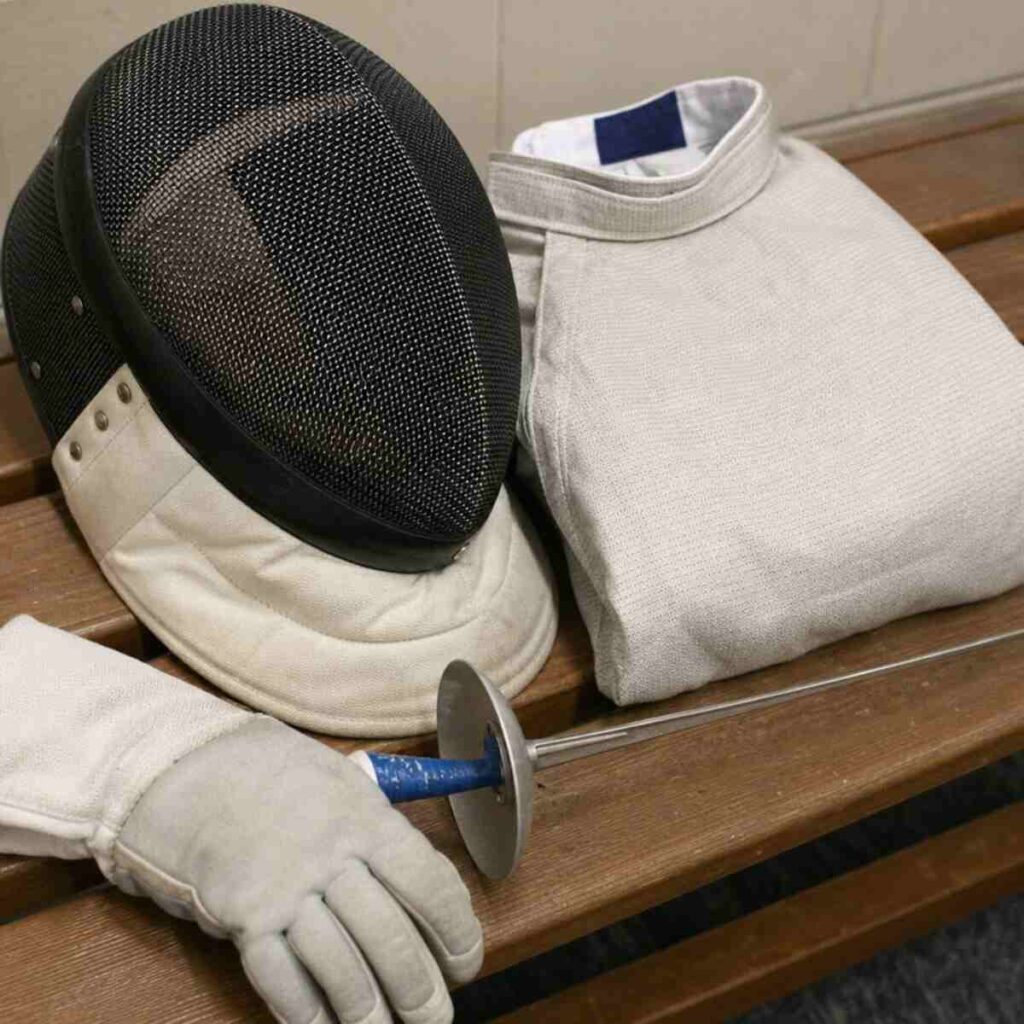
Your first fencing kit usually includes:
- A fencing mask
- A fencing jacket
- A plastron or underarm protector
- A fencing glove
- Fencing knickers or long athletic pants, depending on club requirements
- Long socks
- Court shoes or fencing shoes
- A practice weapon
- For electric fencing, body cords and weapon-specific electric equipment
- A gear bag
Some clubs provide loaner equipment for trial classes. Others ask beginners to bring personal items after the first few sessions. Before you buy, check your club’s requirements or contact My Fencing for local guidance. The best starter setup is the one that matches your weapon, training level, budget, and safety expectations.
Beginner Gear Checklist
Use this checklist as a plain-English guide before you purchase fencing gear. It is designed for beginners who want to avoid confusion and build a kit one sensible step at a time.
1. Fencing Mask
Your mask protects your face, head, throat area, and part of the neck. It is one of the most important pieces of fencing equipment you will own.
A beginner should look for:
- A snug fit that does not wobble when you move
- A secure back strap or retention system
- Good visibility through the mesh
- Padding that feels firm but not painful
- A bib that lies correctly against the jacket
- A mask that matches your weapon when required
Foil, épée, and sabre masks can differ. A basic non-electric mask may be suitable for early non-electric lessons, but electric fencing and competition often require weapon-specific masks. Sabre, in particular, uses conductive equipment, so beginners should not assume one mask works for everything.
2. Fencing Jacket
The fencing jacket covers the torso and arms. It should allow movement while closing securely. A jacket that is too loose can catch a blade. A jacket that is too tight can restrict lunges, extensions, and footwork.
A good beginner jacket should:
- Close fully and comfortably
- Cover the torso without pulling across the shoulders
- Allow the fencer to raise and extend the weapon arm
- Have seams and fastenings that feel secure
- Be compatible with the plastron worn underneath
Most beginners choose a durable, washable jacket designed for club training. You do not always need premium competition gear at the start, but you do need equipment that fits correctly and is appropriate for supervised practice.
3. Plastron or Underarm Protector
A plastron is worn under the jacket on the weapon arm side. It provides an additional protective layer in a high-contact area. Beginners sometimes overlook it because it is hidden beneath the jacket, but it is a key safety item.
Look for:
- Correct left-handed or right-handed orientation
- Comfortable fit beneath the jacket
- No bunching under the arm
- Coverage over the weapon-side underarm and chest area
If you are unsure which side you need, remember this simple rule: your plastron protects the side of your weapon arm.
4. Fencing Glove
The glove protects the weapon hand and wrist. For foil and épée, a standard fencing glove is commonly used for beginner training. Sabre gloves have additional conductive requirements for electric scoring.
A beginner glove should:
- Fit snugly without cutting off circulation
- Let the fingers bend around the grip
- Cover the sleeve opening properly
- Have a cuff that overlaps the jacket sleeve
- Feel secure when holding the weapon
Avoid gloves that are too roomy. If your hand swims inside the glove, you lose control. If the glove is too tight, your grip becomes tense and your hand tires quickly.
5. Fencing Weapon
The weapon you need depends on whether you are learning foil, épée, or sabre. Beginners should ask their coach which weapon style is being taught before purchasing.
Common beginner considerations include:
- Practice versus electric weapon
- French grip versus pistol grip, depending on weapon and coach preference
- Blade size for youth fencers
- Left-handed or right-handed setup
- Club rules for loaner weapons
If you are buying a first weapon, do not rush into the most expensive option. A reliable beginner training weapon is often enough until you know your discipline and goals.
6. Pants, Socks, and Shoes
Some clubs require fencing knickers and long socks from the beginning. Others allow athletic pants for introductory classes. Always ask before class.
For lower-body gear, prioritize:
- Full leg coverage if required by the club
- Long socks that reach above the knee when worn with knickers
- Shoes with good lateral support
- Non-marking soles for indoor floors
- A secure fit for fast changes of direction
Running shoes are not ideal because they are designed for forward motion, not fencing footwork. Court shoes, indoor training shoes, or fencing shoes usually offer better side-to-side stability.
7. Electric Gear
Electric scoring equipment may include body cords, mask cords, lamés, electric weapons, and other weapon-specific items. You may not need these immediately if you are taking beginner classes.
Electric fencing gear can include:
- Foil lamé
- Sabre lamé
- Electric foil, épée, or sabre
- Body cord
- Mask cord for some weapons
- Conductive glove or cuff requirements for sabre
Before purchasing electric gear, confirm your club’s scoring system and weapon focus. My Fencing can help you understand what to buy now and what can wait.
How to Choose the Right Fencing Jacket Size
A fencing jacket should feel protective, not restrictive. The goal is a secure athletic fit that allows the fencer to move, lunge, bend, and extend the weapon arm without pulling at the seams.
When sizing a jacket, consider:
- Chest measurement
- Height
- Shoulder width
- Arm length
- Torso length
- Left-handed or right-handed closure requirements
- Room for a plastron underneath
Jacket Fit Check
Try these simple movements when testing a jacket:
- Stand in en garde position.
- Extend your weapon arm fully.
- Perform a slow lunge.
- Raise both arms slightly forward.
- Twist gently through the torso.
- Check that the jacket stays closed and does not ride up excessively.
The jacket should not gape at the neck, pull sharply across the chest, or leave the wrist exposed when the arm is extended. The sleeve should overlap properly with the glove cuff so there is no obvious gap.
For youth fencers, parents sometimes buy a jacket with too much growing room. A little room is understandable, but excessive looseness can interfere with safety and movement. If the jacket hangs like a loose coat, it is probably too large for fencing practice.
How to Choose the Right Fencing Mask Size
Mask sizing is one of the most important beginner decisions. A good mask should feel secure from every angle. It should not slide forward when the fencer looks down. It should not rock side to side when the fencer moves quickly. It should also avoid painful pressure points.
To estimate mask size, measure around the head at the widest part, usually above the eyebrows and around the back of the skull. Manufacturers may use different size charts, so measurement is only the starting point. Trying on the mask is best whenever possible.
Mask Fit Check
A beginner mask should pass these checks:
- The chin sits comfortably inside the mask.
- The mask does not press painfully on the nose or forehead.
- The back strap or retention system holds the mask securely.
- The fencer can see clearly through the mesh.
- The bib rests correctly over the jacket.
- The mask does not shift dramatically during footwork.
A mask that is too small can be painful and distracting. A mask that is too large can feel unsafe and unstable. If you are searching for fencing gear near me because you want to try before you buy, mask sizing is one of the best reasons to work with a local supplier or service provider.
How to Choose the Right Fencing Glove Size
Your glove influences comfort, grip, and control. A beginner may not yet know what a good grip feels like, so sizing help can make a big difference.
To estimate glove size, measure around the widest part of the hand, usually across the knuckles, excluding the thumb. Then compare the measurement to the manufacturer’s sizing guide.
Glove Fit Check
A fencing glove should:
- Allow the hand to close around the weapon grip
- Leave enough fingertip room without excess fabric bunching
- Cover the jacket sleeve opening
- Feel secure around the wrist
- Avoid rubbing between the thumb and index finger
- Let the fencer release tension in the hand
If a glove is too large, the fencer may squeeze harder to control the weapon. If it is too small, the hand may cramp. Either problem can slow progress because beginners need to develop relaxed, precise blade control.
For sabre, ask specifically about sabre glove requirements. A standard glove may not be enough for electric sabre training or events.
FIE and Non-FIE Gear: What Beginners Should Know
When shopping for fencing equipment, you will often see references to FIE and non-FIE gear. This can confuse beginners, but the basic idea is simple.
FIE gear is designed to meet standards associated with international fencing competition requirements. It is typically made with higher-rated protective materials and often costs more. Non-FIE gear is commonly used for beginner lessons, club training, and many local practice environments, depending on the club’s policies and the fencer’s level.
Is FIE Gear Required for Beginners?
Not always. Many beginners start with non-FIE gear that is appropriate for supervised lessons. However, requirements vary by club, event, age group, weapon, and competition level. Before buying, ask your coach or contact My Fencing for help interpreting what your local program expects.
When FIE Gear May Make Sense
FIE gear may be a smart choice if:
- The fencer plans to compete seriously.
- The club recommends it for safety or consistency.
- The fencer is older, stronger, or training more frequently.
- You prefer to invest once in higher-end equipment.
- The specific event rules require it.
When Non-FIE Gear May Be Enough
Non-FIE gear may be suitable if:
- The fencer is taking introductory classes.
- The club allows beginner-level protective clothing.
- You are still deciding which weapon to pursue.
- You want a more affordable starter kit.
- You plan to upgrade later as training becomes more serious.
The key is not to assume. Safety standards and club policies matter. A local fencing expert can help you choose gear that fits your situation instead of relying on generic online advice.
Understanding Common Protection Ratings
Fencing garments are often labeled with protection ratings that indicate resistance levels. You may see numbers associated with jackets, plastrons, masks, or pants. Beginners do not need to memorize every standard, but they should understand that equipment is not all the same.
A lower-cost beginner jacket may be acceptable for basic lessons in some clubs. A higher-rated jacket or plastron may be required for more advanced training or competitions. Masks also vary in construction and certification.
When reviewing safety information, ask:
- What does my club require for beginner classes?
- What does my coach recommend for my weapon?
- Am I buying for recreational practice or competition?
- Does the gear match the fencer’s age, size, and intensity level?
- Is the equipment new, used, or previously damaged?
Used gear can be budget-friendly, but it should be inspected carefully. Avoid equipment with obvious tears, weak seams, broken fasteners, rusted mesh, bent mask frames, or questionable repairs.
Beginner Fencing Gear Price Ranges
Prices vary by brand, material, weapon, certification, and whether you buy individual pieces or a starter bundle. The following ranges are general planning estimates, not fixed quotes. Contact My Fencing for current local pricing, availability, and package options.
Basic Beginner Setup
A basic beginner setup may include a mask, jacket, glove, plastron, and practice weapon. This type of kit is often the first step for recreational fencers or students transitioning out of club loaner gear.
Typical budget expectation:
- Entry-level individual items may start at a modest price point.
- Complete beginner kits often cost less than buying premium pieces separately.
- Youth sizes may differ in price from adult sizes.
- Weapon-specific electric items can increase the total.
Mid-Range Training Setup
A mid-range setup is often ideal for beginners who plan to continue beyond a trial class. These items may offer better comfort, durability, and fit while staying below premium competition pricing.
This level may include:
- More durable jacket fabric
- Better mask padding and retention
- A glove with improved grip feel
- A reliable practice or electric weapon
- A larger gear bag
- Optional knickers and long socks
Competition-Oriented Setup
Competition gear can cost more because it may involve higher-rated garments, weapon-specific electric scoring components, and backup equipment. Competitive fencers often need more than one weapon and multiple cords.
This level may include:
- FIE-rated jacket or plastron where required
- Competition mask
- Electric weapons
- Body cords
- Lamé for foil or sabre
- Weapon-specific accessories
- Backup parts and tools
What Should Beginners Buy First?
If you are budget-conscious, start with the items most connected to safety, hygiene, and fit. Many beginners purchase personal gloves and masks early because those pieces are worn closely against the body. Jackets and plastrons are also important once the fencer commits to regular practice.
A sensible beginner purchase order may look like this:
- Glove
- Mask
- Jacket
- Plastron
- Weapon
- Socks and suitable shoes
- Gear bag
- Electric equipment when needed
Your club may recommend a different order, especially if loaner equipment is available. My Fencing can help you decide what to buy now, what to rent or borrow, and what to upgrade later.
Why Buying Local Can Be Smarter Than Guessing Online
Online shopping is convenient, but beginner fencing equipment is highly fit-dependent. A size chart cannot always tell you how a jacket feels in a lunge or whether a mask sits securely on your head.
When you work with a local fencing supplier or service provider, you may benefit from:
- In-person sizing support
- Weapon-specific recommendations
- Faster help with exchanges or adjustments
- Guidance based on local club expectations
- Inspection of used or existing gear
- Repair and maintenance advice
- Better understanding of what beginners truly need
If you have searched for “fencing companies in my area,” you are likely looking for more than a box of equipment. You are looking for clarity. My Fencing focuses on helping beginners make practical decisions, especially when they are comparing brands, sizes, safety levels, and local class requirements.
Local Service Support From My Fencing
My Fencing is here to support new fencers and families who want a clearer, safer start. Our local-intent services may include gear guidance, beginner equipment planning, sizing support, supplier recommendations, and quote assistance based on your needs.
We can help with:
- Beginner fencing gear recommendations
- Starter kit planning
- Jacket, mask, and glove sizing guidance
- Weapon-specific gear questions
- FIE versus non-FIE decision support
- Local supplier and service direction
- Gear care and maintenance advice
- Equipment quote requests
- School, club, or group gear planning
Because availability, pricing, and service areas can vary, we recommend contacting My Fencing directly for the most accurate local guidance. Tell us your weapon, age group, approximate size, experience level, and whether you are buying for lessons, club practice, or competition.
How to Avoid Common Beginner Gear Mistakes
Fencing gear can feel unfamiliar at first, and beginners often make the same avoidable mistakes. Here are the ones we see most often.
Buying Before Knowing the Weapon
Foil, épée, and sabre gear can differ. If you buy too early, you may end up with items that do not match your class or competition path. Confirm the weapon before purchasing electric equipment, masks, lamés, or gloves.
Choosing the Cheapest Option Without Checking Fit
Budget matters, but the cheapest gear is not always the best value. Poor fit can reduce comfort and confidence. Low-quality items may wear out faster. It is better to buy a sensible beginner kit than to replace unsuitable gear after a few practices.
Ignoring Club Requirements
Every club has its own expectations. Some allow athletic pants for early classes. Others require fencing knickers. Some provide weapons at first. Others expect students to purchase personal gear quickly. Always check before you buy.
Buying Too Large for Children
Parents understandably want equipment to last. However, oversized gear can shift, bunch, or interfere with movement. Youth fencers need protective equipment that fits now, with only reasonable growing room.
Forgetting the Plastron
The plastron is easy to forget because it is worn underneath the jacket. Do not skip it unless your coach or club specifically tells you what is acceptable for a limited introductory session.
Treating All Masks as the Same
Masks vary by weapon, size, fit, retention system, and certification. A mask should be chosen carefully, especially as the fencer moves toward electric training or competition.
Gear Care and Maintenance
Good fencing gear lasts longer when it is cared for properly. Beginners often toss everything into a bag after practice and forget about it until the next session. That habit can lead to odor, moisture buildup, rust, and premature wear.
After Every Practice
After each practice, take a few minutes to air out your equipment. Open the bag, remove damp clothing, and allow items to dry. Sweat and moisture are the enemies of fresh, long-lasting gear.
Helpful habits include:
- Hang the jacket and plastron to dry.
- Remove the glove from the bag.
- Wipe down the weapon blade if needed.
- Keep wet clothing away from metal gear.
- Allow the mask padding to air out.
- Check for loose seams or damage.
Washing Fencing Clothing
Many jackets, plastrons, gloves, and socks can be washed, but always follow the manufacturer’s care instructions. Avoid harsh bleach unless specifically allowed. Do not assume every item can go in the dryer.
General care tips:
- Wash protective clothing separately from regular laundry.
- Close fasteners before washing when appropriate.
- Use mild detergent.
- Air dry when recommended.
- Never wash electric components unless the manufacturer says it is safe.
Caring for the Mask
Masks need careful attention. Do not throw heavy items on top of the mask. Do not sit on it. Do not bend the frame. Inspect the mesh, bib, padding, and strap regularly.
Check for:
- Dents in the mesh
- Loose or damaged bib stitching
- Weak retention straps
- Rust or corrosion
- Padding that has shifted or deteriorated
- Any fit change after impact
If a mask is damaged, ask a qualified fencing professional whether it should be repaired or replaced. When in doubt, prioritize safety.
Caring for Weapons
Beginner weapons take plenty of bumps. Blades can bend, screws can loosen, and tips can wear. Electric weapons require additional care because wires and scoring components can fail.
Basic weapon care includes:
- Wiping moisture from the blade
- Checking the tip and guard
- Keeping weapons dry
- Avoiding storage in damp bags
- Transporting weapons securely
- Asking for help if a blade bends sharply or repeatedly fails inspection
Do not attempt repairs beyond your comfort level. A local fencing service provider may be able to inspect or repair equipment, depending on the issue.
How to Build a Beginner Kit for Foil
Foil is a common starting weapon because it teaches right-of-way, point control, and clean fundamentals. Beginner foil gear may start simple, then expand when electric scoring is introduced.
A beginner foil kit may include:
- Foil mask or suitable beginner mask based on club requirements
- Jacket
- Plastron
- Foil glove
- Practice foil or electric foil
- Foil body cord when needed
- Foil lamé for electric scoring
- Mask cord if required for the setup
- Knickers and long socks if required
Foil beginners should ask when the class will begin electric fencing. That timing affects whether you need a lamé and electric weapon right away.
How to Build a Beginner Kit for Épée
Épée has a full-body target area and does not use right-of-way. The gear requirements differ from foil and sabre in several ways, especially because épée does not require a lamé for the same kind of target-area conductivity.
A beginner épée kit may include:
- Épée mask or suitable mask approved by the club
- Jacket
- Plastron
- Épée glove
- Practice épée or electric épée
- Body cord for electric fencing
- Knickers and long socks if required
- Supportive shoes
Épée weapons are generally heavier than foils, so grip comfort and hand control matter. Beginners should try different grips if possible before committing to a purchase.
How to Build a Beginner Kit for Sabre
Sabre is fast, athletic, and dynamic. It also has more weapon-specific electric equipment than many beginners expect.
A beginner sabre kit may include:
- Sabre mask
- Jacket
- Plastron
- Sabre glove or conductive glove setup as required
- Practice sabre or electric sabre
- Sabre lamé
- Body cord
- Mask cord when required
- Knickers and long socks if required
- Shoes with strong lateral support
Because sabre has specific conductive equipment needs, beginners should avoid buying generic gear without asking a coach or local expert first.
Choosing Fencing Shoes or Training Shoes
Footwork is the foundation of fencing. Even beginners quickly learn that shoes matter. You need stability for advancing, retreating, lunging, recovering, and changing direction.
Good footwear should offer:
- Secure heel fit
- Lateral support
- Flexible forefoot
- Non-marking indoor sole
- Cushioning for repeated lunges
- Good traction without sticking too hard
Dedicated fencing shoes are designed for the sport, but some beginners start with court shoes or indoor training shoes. Avoid worn-out running shoes, slippery soles, and shoes with poor side support. If you already own athletic shoes, bring them to your first class and ask whether they are suitable.
Gear Bags and Organization
A beginner does not need a massive rolling bag on day one, but organization helps. Fencing gear includes protective clothing, weapons, cords, socks, water bottles, and personal items. A dedicated bag keeps everything together and protects your equipment.
A beginner bag should have room for:
- Mask
- Jacket
- Plastron
- Glove
- Weapon
- Socks
- Small towel
- Water bottle
- Basic repair items if appropriate
- Separate space for damp clothing
As you continue, you may want a larger bag with weapon compartments. For now, choose something that keeps gear clean, dry, and easy to carry.
Maintenance Supplies for Beginners
You do not need a full armorer’s workshop when you start fencing, but a few simple supplies can help you care for your equipment.
Useful beginner supplies may include:
- Small towel for drying gear
- Mild detergent for washable clothing
- Mesh laundry bag for socks or small items
- Name labels for club settings
- Spare screws or tips if recommended by your coach
- Basic tool kit only if you are taught how to use it
- Deodorizing inserts or moisture absorbers for the gear bag
Do not overbuy repair tools before you know your weapon and club expectations. Ask your coach what is worth keeping in your bag.
Used Fencing Gear: Smart Buy or Risky Shortcut?
Used fencing gear can be a good way to save money, especially for fast-growing youth fencers. However, used equipment should be inspected carefully.
Used items may be reasonable when:
- The gear is in good condition.
- The size is correct.
- The safety rating is still appropriate.
- The mask has no dents or structural concerns.
- The jacket and plastron have no tears or weak seams.
- The club or coach approves the equipment.
Be cautious with:
- Masks with dents, rust, or loose bibs
- Jackets with damaged closures
- Gloves with holes
- Weapons with repeated electrical issues
- Blades with severe bends or cracks
- Gear with missing labels or unknown history
If you found used equipment and want a second opinion, contact My Fencing. We can help you think through whether it is suitable for beginner practice or whether a new item would be safer and more cost-effective.
Local Gear Planning for Parents
Parents often have two main concerns: safety and cost. Both are valid. Children can grow quickly, and fencing gear may feel like a big investment at the beginning. The solution is not to buy the cheapest kit or the largest size. The solution is to plan in stages.
For youth beginners, consider:
- Whether the club provides loaner gear for trial lessons
- How quickly your child is likely to grow
- Which items should be personal for hygiene and fit
- Whether used gear is available and safe
- When electric equipment becomes necessary
- Whether competition is part of the plan
Parents should also check whether the child is left-handed or right-handed in fencing. This matters for the plastron and sometimes other gear details. If your child is unsure, a coach can help determine what feels natural.
Local Gear Planning for Adult Beginners
Adult beginners often want to know whether they should buy everything at once. The answer depends on your goals. If you are trying fencing for the first time, you may only need comfortable athletic clothing and club loaner gear. If you are enrolling in regular classes, personal protective equipment becomes more important.
Adults should prioritize:
- A mask that fits securely
- A jacket that allows full movement
- A comfortable glove
- A correctly oriented plastron
- Shoes with lateral support
- A weapon that matches the class
Adult beginners should not feel pressured to buy competition equipment immediately unless the club or event requires it. Start with safe, appropriate gear and upgrade as your commitment grows.
What to Bring to a First Fencing Class
If you have not yet purchased fencing gear, ask your club what is provided. For many intro classes, the club supplies the mask, jacket, glove, and weapon. You may need to bring your own athletic clothing and shoes.
For a first class, bring:
- Comfortable athletic shirt
- Long athletic pants if required
- Clean indoor athletic shoes
- Water bottle
- Small towel
- Hair tie for long hair
- Notebook or phone for gear recommendations
- Any equipment the club specifically requested
Avoid shorts unless the club says they are acceptable. Avoid open-toe shoes, sandals, boots, or slippery soles. Fencing involves quick footwork, so dress for movement.
How My Fencing Helps You Compare Options
The fencing world has many brands, sizes, ratings, and price points. Beginners may feel like every product description is written for someone who already understands the sport. My Fencing helps translate those choices into plain language.
When you contact us, we may ask:
- Are you buying for a child, teen, or adult?
- Which weapon are you learning?
- Are you left-handed or right-handed?
- Are you taking trial lessons, weekly classes, or preparing for competition?
- Does your club require specific ratings or equipment?
- Do you prefer a budget starter kit or longer-term investment gear?
- Do you need local supplier recommendations?
- Are you looking for individual items or a full package quote?
With those details, we can help you identify the right next step. The result is a gear plan that fits your body, your budget, and your local fencing environment.
Safety Comes Before Style
Fencing has a timeless look. The white uniform, mask, and weapon create a strong visual identity. But beginners should remember that fencing clothing is protective equipment first. Style is secondary.
Choose gear based on:
- Fit
- Coverage
- Safety rating
- Weapon compatibility
- Club requirements
- Durability
- Comfort during movement
A sharp-looking jacket that does not fit is not the right jacket. A bargain mask that shifts during footwork is not a bargain. The best beginner fencing gear is gear that helps you practice safely and confidently.
Questions to Ask Before Buying Fencing Gear
Before you purchase, ask these questions:
- What weapon am I learning?
- Does my club require FIE or non-FIE gear?
- Can I use loaner gear while I decide?
- What size jacket, mask, and glove do I need?
- Do I need electric gear now or later?
- Are there local suppliers near me who can help with fit?
- Is a starter kit better than buying individual pieces?
- Should I buy new or used?
- What is the return or exchange policy?
- How should I care for this equipment?
These questions can save you time, money, and frustration. If you are not sure how to answer them, My Fencing is ready to help.
Beginner Budget Tips
Fencing does require specialized equipment, but beginners can manage costs with a thoughtful plan.
Try these budget-smart strategies:
- Take an intro class before buying a full kit.
- Ask whether your club offers loaner gear.
- Buy personal hygiene items first, such as a glove.
- Confirm your weapon before purchasing electric equipment.
- Consider a beginner bundle from a trusted supplier.
- Ask about safe used gear for fast-growing youth fencers.
- Upgrade gradually as training becomes more serious.
- Avoid duplicate purchases by getting sizing help first.
The most expensive mistake is not buying quality gear. It is buying the wrong gear. A local consultation can help you spend once and spend wisely.
Service Area and Local Support
My Fencing supports beginners, families, schools, and clubs looking for local fencing gear guidance and supplier direction. If you are searching for fencing companies in my area, fencing gear near me, or a local team that can help you understand what to buy, we are here to make the process easier.
Our service area is designed around local community needs. Contact us to confirm whether we serve your city, neighborhood, school, club, or training program. If you are nearby, we can help you plan your gear list, request a quote, and connect with the right next step.
Request a Local Fencing Gear Quote
Ready to get started? Contact My Fencing for beginner-friendly guidance and a local quote. Tell us what you need, and we will help you sort through your options without pressure.
When you reach out, include:
- Your city or service area
- Fencer’s age and approximate height
- Weapon of interest, if known
- Left-handed or right-handed preference
- Current experience level
- Club or school requirements, if available
- Whether you need a full starter kit or individual pieces
- Budget range, if you have one
Call, message, or request a quote from My Fencing today to find the right beginner fencing gear and local support near you.
Frequently Asked Questions
What fencing gear does a beginner need first?
Most beginners need a mask, jacket, plastron, glove, and weapon. Depending on the club, you may also need fencing pants, long socks, and specific shoes. If electric scoring is introduced, you may need body cords, electric weapons, lamés, or other weapon-specific gear.
Should I buy fencing gear before my first lesson?
Usually, it is best to ask the club first. Many intro classes provide loaner equipment. If you are committing to regular lessons, buying personal gear becomes more practical. My Fencing can help you decide what to purchase first based on your local program.
How do I know what size fencing jacket to buy?
Start with chest, height, shoulder, and arm measurements. Then check movement. A jacket should close securely, allow lunges and arm extension, and overlap properly with the glove. It should not be so loose that it catches or so tight that it restricts movement.
How should a fencing mask fit?
A fencing mask should feel snug and stable. It should not wobble, slide forward, or press painfully on the face. The fencer should be able to see clearly through the mesh, and the bib should sit correctly over the jacket.
How should a fencing glove fit?
A fencing glove should fit close to the hand while allowing the fingers to bend around the weapon. The cuff should overlap the jacket sleeve. Avoid gloves with excessive fingertip fabric or gloves so tight that the hand cramps.
Do beginners need FIE gear?
Not always. Many beginners use non-FIE gear for introductory lessons, depending on club policies. FIE gear may be required or recommended for certain competitions, advanced training, or specific safety expectations. Always confirm with your coach or local provider.
Is used fencing gear safe?
Used gear can be safe if it is in good condition, properly sized, and appropriate for the fencer’s level. Masks, jackets, plastrons, gloves, and weapons should be inspected carefully. Avoid used gear with dents, tears, rust, broken fasteners, or unknown damage history.
What is the difference between foil, épée, and sabre gear?
All three weapons use core protective gear, but electric equipment and weapon-specific items differ. Foil and sabre often require conductive lamés for electric scoring. Sabre also has specific mask and glove considerations. Épée uses different scoring rules and does not require the same target-area lamé setup.
Can I use running shoes for fencing?
Running shoes are not ideal because fencing requires lateral movement, quick stops, and lunges. Some beginners use court shoes or indoor athletic shoes at first. Dedicated fencing shoes can be helpful as training becomes more frequent.
How much does beginner fencing gear cost?
Costs vary based on brand, size, certification, weapon, and whether you buy a starter kit or individual pieces. Basic beginner gear is generally less expensive than competition-oriented gear. For current local pricing and package options, request a quote from My Fencing.
Where can I find fencing gear near me?
Contact My Fencing for local guidance. We can help you understand beginner gear options, sizing basics, supplier direction, and quote requests in your service area.
How do I compare fencing companies in my area?
Look for a company or provider that understands beginner safety, weapon-specific gear, local club requirements, sizing, and maintenance. The right local partner should explain your options clearly and help you avoid unnecessary purchases.
Do children need different fencing gear than adults?
Children need properly sized youth gear. The equipment should allow safe movement without being overly loose. Parents may want growing room, but too much extra size can interfere with safety and technique.
How often should fencing gear be replaced?
Replace gear when it no longer fits, loses protective integrity, develops damage, or no longer meets your club or competition requirements. Youth fencers may need size updates as they grow. Masks and gloves should be checked frequently for wear.
Can My Fencing help with school or club gear planning?
Yes. My Fencing can help schools, clubs, and groups think through beginner gear needs, sizing questions, equipment lists, and quote requests. Contact us with your group size, age range, weapon focus, and service area.
Take the Next Step With Confidence
The right fencing gear helps beginners feel safe, prepared, and ready to learn. You do not need to become an equipment expert overnight. You only need a trusted local guide who can help you choose the right pieces in the right order.
If you are comparing fencing gear, searching for fencing suppliers near me, or asking which fencing companies in my area can help a true beginner, My Fencing is ready to help.
Request your local beginner fencing gear quote today. Share your service area, class requirements, and gear needs, and we will help you take the next step with clarity.