


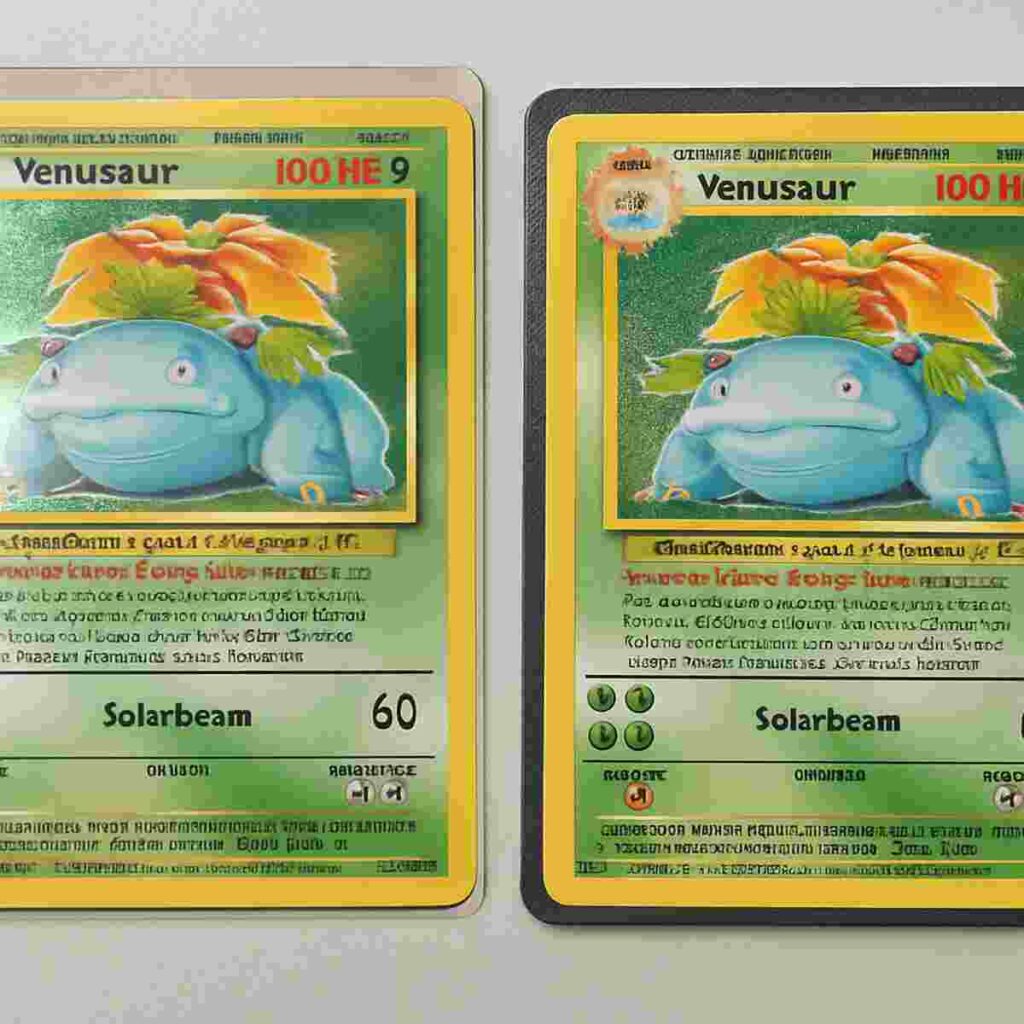
You just pulled an amazing, shiny card from a new pack. The art is incredible, and you know it’s a special one. Your first thought is excitement, but your second is a little bit of panic: ‘How do I keep it from getting bent or scratched?’ If you’ve ever wondered how to protect trading cards, you’ve felt the need for the single most important tool in any collector’s kit. To find more, check on klik disini
That tool is the trading card game sleeve. Think of it as a custom-fit phone case for your card. In practice, this thin plastic pocket is the number one defense against the scratches, corner wear, and shuffling damage that can ruin a card’s condition and value. It’s the simple foundation of good card care, whether you’re protecting a prized Pokémon or shuffling your first Magic: The Gathering deck.
Navigating the store aisle, with its wall of ‘Matte,’ ‘Gloss,’ and ‘Perfect Fit’ options, can feel confusing. But choosing the right protection doesn’t have to be complicated. This guide will demystify the choices, giving you the confidence to pick the perfect sleeves for your needs in just a few minutes.
What Are ‘Penny Sleeves’ and When Should You Use Them?
If you’ve just opened a big box of cards, you might find yourself with dozens of common cards that you want to keep safe without spending a fortune. This is the perfect job for the most basic and affordable option available: the penny sleeve. As the name suggests, these are extremely thin, clear plastic sleeves that cost next to nothing. Think of them as the most lightweight protection possible, designed to guard against dust, fingerprints, and minor surface scuffs while your cards are in storage.
Because they are so flimsy, penny sleeves have a very specific purpose. They are not designed to withstand the wear and tear of shuffling or regular handling. Using them for a game would be frustrating, as they wrinkle easily and offer little real protection against bends.
Here’s a quick guide to when you should—and shouldn’t—reach for a penny sleeve:
- Best For: Bulk storage of common cards, organizing cards to go into a binder, or providing a first layer of protection before shipping a card.
- Not For: Playing games, shuffling a deck, or protecting your valuable or rare cards.
One final, critical tip for long-term storage: make sure your sleeves are PVC-free and archival-safe. Plastics containing PVC can release chemicals over time that can damage your cards, making the ink fade or the surface sticky. Always check the packaging for these key phrases to ensure your collection stays in great shape for years to come. But if you’re looking for sleeves you can actually play with, you’ll need something much more durable.
Matte vs. Glossy: How to Choose for the Best Shuffle-Feel and Look
When you upgrade from basic penny sleeves to durable sleeves made for playing, your main choice is the finish: matte or gloss? Think of it like a phone screen protector—some are shiny and crystal-clear, while others have an anti-glare finish. Gloss sleeves have a smooth, transparent back, while matte sleeves feature a finely textured, non-reflective back. This single difference dramatically changes how your cards look and feel.
For most players, the decision comes down to the shuffle-feel. The texture on matte sleeves lets cards glide effortlessly, making them a favorite for the best card sleeves for shuffling. This finish also cuts down on glare from overhead lights, so you can always see your cards clearly during a game. Glossy sleeves, by contrast, can sometimes feel stickier when shuffling and create distracting reflections that obscure the art.
The visual trade-off is where the debate between clear vs matte card sleeves shuffle feel gets interesting. A gloss sleeve’s perfectly clear back makes colors and holographic foils look incredibly vibrant. However, the fine texture on a matte sleeve is excellent at hiding minor scuffs and fingerprints, which can be very noticeable on a shiny gloss surface. This helps in preventing scratches on holographic foils from being obvious, keeping your best cards looking clean.
So, which should you choose? If a great shuffle and glare-free gameplay are your top priorities, go with matte. If you want your card art to pop with maximum vibrancy, especially for a collection you’re showing off, choose gloss. Now that you know the feel and look you want, there’s one more crucial detail to get right before you buy a pack.
The Most Common Beginner Mistake: Getting the Sleeve Size Wrong
Imagine the disappointment of opening your brand-new sleeves, only to discover they’re too tight to fit your cards or so loose that they slide around inside. This is an easy mistake to make because, surprisingly, not all trading cards are created equal. They generally come in two distinct sizes, and sleeve manufacturers design their products to match. Getting this one detail right is the difference between perfect protection and a frustrating waste of money.
This is where the standard size vs. Japanese size sleeves debate comes into play, though it’s less a debate and more a simple matching game. The key is knowing which category your game falls into. At first glance, the difference is small—just a few millimeters—but it’s enough to matter. This simple guide for choosing the right card protector size will ensure you always buy the perfect fit.
- Standard Size (approx. 66mm x 91mm)
- Pokémon
- Magic: The Gathering
- Lorcana
- Most sports cards
- Japanese Size / Small (approx. 62mm x 89mm)
- Yu-Gi-Oh!
- Cardfight!! Vanguard
So, if you’re looking for the best card protectors for Pokémon cards, you absolutely need “Standard Size.” If you grab a pack of “Japanese Size,” they simply won’t fit. Always double-check the sleeve packaging; it will clearly state which size it’s for.
Once you know your card’s size, you have all the information you need for excellent, everyday protection. But what about that one ultra-rare, high-value card you want to keep in museum-quality condition? For those special treasures, there’s an even higher level of security you can use.
For Ultimate Protection: How to Double-Sleeve Your Most Valuable Cards
For that one special card that’s the centerpiece of your collection, a single sleeve might not feel like enough. A standard sleeve protects against scratches and shuffling wear, but its open top leaves a tiny gap for dust, humidity, or even a dreaded drink spill to find its way in. This is where double-sleeving provides a near-perfect seal for maximum security. It’s the best way to protect trading cards from bending, moisture, and long-term environmental damage.
The secret to this method is a second, smaller sleeve called an inner sleeve, often sold as a “Perfect Fit.” Think of it like wearing a form-fitting shirt under a raincoat. These sleeves are incredibly thin and designed to hug your card with almost no extra space. By itself, an inner sleeve offers minimal protection, but when combined with a regular sleeve, it creates a powerful barrier.
Getting it right is simple, but the orientation is key. First, carefully slide your card into the smaller inner sleeve from the bottom up, so the opening of the inner sleeve is at the bottom of your card. Then, take this sleeved card and slide it into your regular, standard-sized sleeve the normal way (top-down). This method ensures that both the top and bottom of the card are covered, creating a seal that’s highly resistant to dust and moisture.
Do you need to do this for all your cards? Definitely not. Double-sleeving is typically reserved for the crown jewels of your collection—the high-value, autographed, or deeply sentimental cards you want to preserve in pristine condition. When you’re giving a card this level of attention, you’ll naturally want the outer sleeve to be high-quality. But this raises a common question: are those expensive, premium sleeves really worth the extra cost?
Are Expensive Sleeves Worth It? A Beginner’s Look at Premium Brands
When you’re browsing the aisle at a game store, the price difference between sleeves can be shocking. One pack might be a few dollars, while another costs three or four times as much. The primary difference comes down to durability and performance. Budget sleeves are great for casual use or storing cards you don’t handle often, but they use thinner plastic and have seams that are more prone to splitting after repeated shuffling. Premium sleeves, on the other hand, are built like tanks. They use thicker, tougher plastic—often measured in microns, where a higher number means more strength—designed to withstand the rigors of frequent play without tearing.
Beyond sheer toughness, that extra cost also buys you a superior gameplay experience. Premium brands like Dragon Shield and Ultimate Guard Katana have earned their reputation by perfecting their “shuffle feel.” Their matte-textured backs glide against each other effortlessly, making shuffling smooth and consistent, not sticky or clumpy. These brands also offer incredible quality control, meaning every sleeve in a pack is cut to the exact same size. This consistency prevents marked cards and ensures your deck feels uniform and professional, even if you’re just playing at the kitchen table.
So, are they worth it? It all depends on your goal. If you’re sleeving a deck for your child to play with friends or protecting a binder full of cards, affordable sleeves do the job just fine. But if you’re building a deck you plan to use over and over, the investment in premium sleeves pays off in longevity and a much better shuffle. They offer peace of mind that your cards are safe and your deck is a joy to handle. Of course, sleeves are designed for cards in a deck. For displaying your absolute favorites or storing them for the long haul, there are even better tools for the job.
Beyond Sleeves: When to Use Toploaders and Binders for Full Protection
While sleeves are essential for protecting cards from surface scratches and wear during play, they can’t stop a card from bending. For that next level of security, you need to add rigid protection to your system. This is especially important when you’re mailing a valuable card or want to display one of your favorites without worrying about it getting creased.
This is where a toploader comes in. A toploader is a semi-rigid or rigid plastic holder that a card slides into from the top. Think of it as body armor for your card—it’s designed specifically to prevent bends, dents, and corner dings from accidental drops or pressure. For maximum safety, you should always place your card in a sleeve first (even an inexpensive “penny sleeve” works perfectly for this) before sliding it into the toploader. This simple two-step process guards against both surface scratches and physical impact.
But what if you want to organize and view an entire set or collection? A stack of individual toploaders isn’t very practical. For this purpose, nothing beats a classic binder with nine-pocket pages. These clear pages allow you to safely store and flip through your collection with ease. Just like with toploaders, sleeving your cards before putting them into binder pages provides an extra layer of defense against dust and minor scuffs, making it the standard method for safely storing large numbers of cards.

Your Quick-Start Shopping List for Perfect Card Protection
You’ve just navigated the world of card protection, transforming what was once a confusing wall of options into a set of clear, simple choices. You no longer have to guess what terms like “matte” or “perfect fit” mean; you now know to walk into any game store or browse online with confidence, ready to choose the best trading card game sleeves for your collection.
Feeling ready? Here is a simple checklist for what card protectors to buy:
- IF you want to PLAY with your Pokémon, Magic, or Lorcana cards, THEN you need “Standard Size Matte Sleeves.”
- IF you want to STORE a large number of common cards, THEN you need “Penny Sleeves” and a “Binder” or “Storage Box.”
- IF you have a RARE or VALUABLE card (worth over $20), THEN you need: “Perfect Fit Inner Sleeves” and “Standard Sleeves” to double-sleeve it, plus a “Toploader” for rigid display.
With this knowledge, a card sleeve is no longer just a piece of plastic. It’s the tool that lets you shuffle a deck without fear, store a collection for years to come, and preserve the excitement of pulling that one perfect card. You’re not just protecting cardboard; you’re safeguarding the fun, the memories, and the future of your game.