


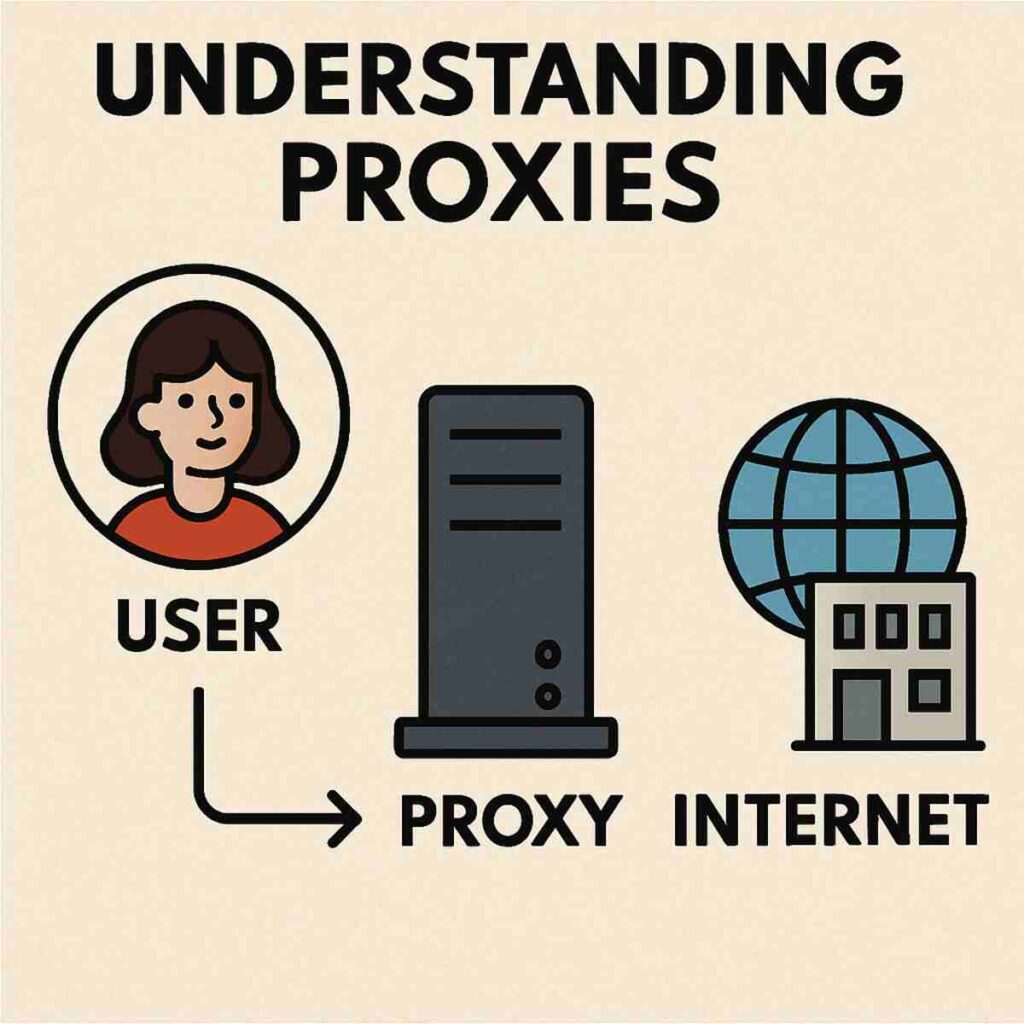
Rotating datacenter proxies are a type of proxy server that allows users to frequently change their IP address. This rotation can occur at specified intervals or after each request, providing a layer of anonymity and preventing IP bans during data scraping activities. Best way to find the proxies for automation.
The Mechanism Behind Proxy Rotation
Proxy rotation operates on the principle of changing the IP address associated with your internet requests. This is typically managed through a pool of IP addresses, which are cycled through based on predefined criteria. The mechanism ensures that each request you make appears to originate from a different IP, making it challenging for target websites to track your activities.
Key Advantages of Rotating Datacenter Proxies
The primary benefit of rotating datacenter proxies lies in their ability to circumvent IP-based restrictions. By rotating IP addresses, these proxies can mimic multiple users accessing a website, thus reducing the risk of detection and subsequent blocking.
- Anonymity: The constant change in IP addresses ensures that your requests remain anonymous, making it difficult for websites to track or ban your activities. This is particularly useful for maintaining privacy and avoiding unwanted attention from websites with stringent IP tracking mechanisms.
- Efficiency in Data Collection: For data scraping, rotating proxies can enhance efficiency by allowing uninterrupted access to websites, thereby facilitating continuous data collection. This ensures that your data gathering efforts are not hindered by IP bans or throttling.
- Bypassing Geo-Restrictions: Rotating datacenter proxies also offer the advantage of bypassing geographical restrictions. By accessing IPs from different regions, you can gather data that might otherwise be inaccessible due to regional limitations imposed by websites.
Challenges and Considerations
Despite their advantages, rotating datacenter proxies come with their own set of challenges. Effective management and configuration are crucial to avoid issues such as IP leakage or misconfigurations that could lead to bans. Understanding these potential pitfalls is essential for optimizing proxy use.
Setting Up Rotating Datacenter Proxies
Establishing a robust setup for rotating datacenter proxies involves several critical steps. This section outlines a systematic approach to ensure effective deployment.
Selecting the Right Proxy Provider
Choosing a reliable proxy provider is paramount. Providers should offer a vast pool of IP addresses and robust customer support. Consider the following when selecting a provider:
- IP Pool Size: A larger pool of IP addresses reduces the chances of repeated IP usage, thus minimizing the risk of detection. It allows for a broader range of IPs, which can be crucial for extensive data scraping operations.
- Geographical Diversity: Access to proxies from various regions can enhance the scope of your data scraping tasks by bypassing geo-restrictions. This enables you to collect data from a global perspective, offering a comprehensive dataset.
- Reliability and Uptime: Ensure that the provider guarantees high uptime and reliable performance to avoid disruptions in your operations. A provider with a proven track record of stable service is essential for maintaining seamless data collection.
Configuring Proxy Rotation
Once you have selected a provider, configuring the rotation settings is crucial. This can usually be managed through the provider’s dashboard or via scripts.
- Rotation Frequency: Determine how often the IP addresses should rotate. This can be set to rotate after each request or at fixed time intervals, depending on the requirements of your tasks. Frequent rotation can enhance anonymity but may require more sophisticated session management.
- Session Management: Manage sessions effectively to maintain continuity in your data scraping tasks. Some tasks may require maintaining a session with the same IP for a certain duration before rotating. Proper session management ensures that your data collection does not suffer from interruptions due to abrupt IP changes.
- Configuring Failover Protocols: Implement failover mechanisms to switch to a backup IP in case of failure or blacklisting. This ensures that your operations continue smoothly without significant downtime.
Security Measures and Compliance
Ensuring the security of your proxy setup is vital. Implement measures such as encryption and authentication to protect data and comply with legal requirements. Adhering to these protocols safeguards your data scraping activities from unauthorized access and legal repercussions.
Implementing Data Scraping with Rotating Proxies
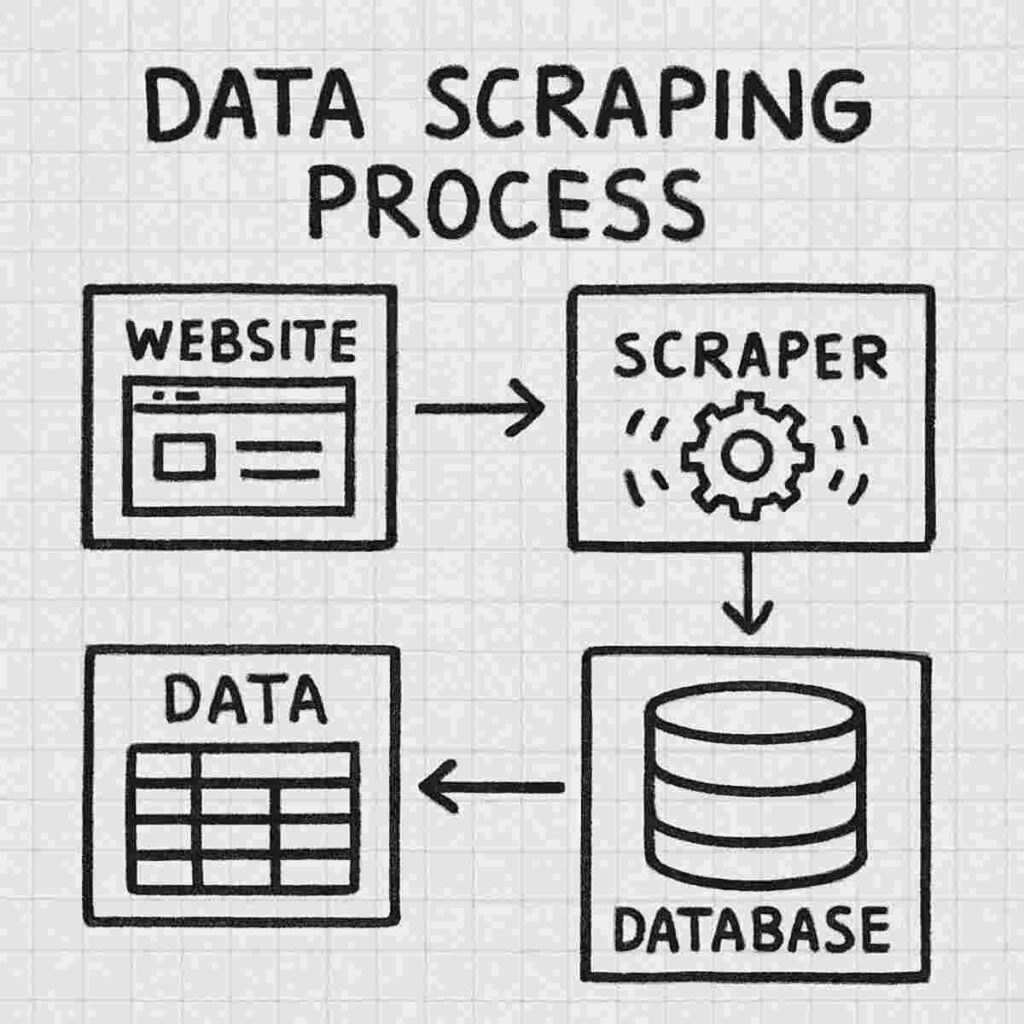
With your rotating datacenter proxies set up, the next step is to implement data scraping. Here are best practices to follow:
Script Development and Testing
Develop scripts that incorporate proxy rotation logic. Testing is critical to ensure that the scripts function as expected and that they handle IP rotations seamlessly.
- Error Handling: Implement robust error handling to manage failed requests or IP bans efficiently. This includes retry mechanisms and logging errors for further analysis. Ensuring that errors are handled gracefully prevents data loss and improves the resilience of your scraping operations.
- Rate Limiting: Respect website rate limits by incorporating delays between requests. This helps in avoiding detection and potential IP bans. Adhering to rate limits is also a best practice for ethical data scraping and ensures compliance with terms of service.
- Script Optimization: Continuously optimize your scripts for efficiency and speed. Efficient scripts reduce the load on proxies and improve the overall performance of your data scraping tasks.
Monitoring and Maintenance
Continuous monitoring and maintenance are essential to ensure the smooth operation of rotating datacenter proxies.
- Performance Monitoring: Regularly monitor the performance of your proxies and scripts to identify any bottlenecks or issues. This allows for proactive troubleshooting and ensures optimal functioning of your setup.
- Proxy Health Checks: Perform periodic health checks to ensure that all proxies in your pool are functioning correctly and replace any that are not. Maintaining a healthy proxy pool minimizes disruptions and enhances data collection reliability.
- Log Analysis: Analyze logs regularly to gain insights into the performance and potential issues within your proxy setup. This data is invaluable for making informed decisions about adjustments and improvements.
Ensuring Ethical Data Scraping
Adhering to ethical standards is crucial when utilizing rotating datacenter proxies. Respecting terms of service and privacy policies of target websites is essential to avoid legal issues. Incorporate ethical considerations into your strategy to maintain a responsible approach to data scraping.
Advanced Strategies for Optimal Performance
To further optimize the use of rotating datacenter proxies, consider implementing advanced strategies:
Load Balancing
Implement load balancing techniques to distribute requests evenly across your proxy pool. This not only enhances performance but also reduces the risk of overloading a single proxy.
- Algorithmic Distribution: Use advanced algorithms to distribute requests intelligently, taking into account the current load and performance of each proxy. This ensures a balanced load and prevents proxy exhaustion.
- Scalability Considerations: Design your load balancing setup to be scalable, allowing for easy expansion of your proxy pool as your needs grow. Scalability ensures that your operations can handle increasing demands without compromising performance.
- Redundancy Planning: Incorporate redundancy into your load balancing strategy to ensure continuous operation even if some proxies fail. Redundancy enhances the resilience and reliability of your proxy setup.
Dynamic IP Allocation
Utilize dynamic IP allocation to adaptively assign IP addresses based on the current load and task requirements. This ensures that your scraping activities remain efficient and undetectable.
- Adaptive Allocation: Implement adaptive allocation mechanisms that respond to real-time conditions, such as server load and task priority. This dynamic approach optimizes resource utilization and enhances performance.
- Resource Optimization: Optimize resource usage by allocating IPs only when necessary, reducing costs and improving efficiency. Strategic allocation minimizes wastage and maximizes the effectiveness of your proxy setup.
- Predictive Analytics: Use predictive analytics to anticipate demand and pre-allocate resources accordingly. This proactive strategy ensures that your proxy setup can handle sudden increases in load without disruption.
Integration with Automation Tools
Integrate your proxy setup with automation tools to streamline operations and reduce manual intervention. Tools like Selenium and Puppeteer can be instrumental in automating data scraping tasks while effectively managing proxy rotations.
- Automation Frameworks: Leverage automation frameworks to develop robust data scraping solutions that are scalable and efficient. Frameworks provide a structured approach to automation, reducing development time and enhancing reliability.
- Seamless Integration: Ensure seamless integration of proxies with automation tools to simplify management and enhance functionality. Integration reduces complexity and allows for more sophisticated data collection strategies.
- Continuous Improvement: Continuously improve your automation setup by incorporating feedback and learning from performance data. Iterative enhancements lead to more efficient and effective data scraping operations.
Conclusion
Rotating datacenter proxies are an invaluable asset for data scraping and other applications requiring anonymity and efficiency. By adhering to best practices and leveraging advanced strategies, you can optimize the use of rotating proxies to enhance your data collection efforts.
Careful selection of proxy providers, meticulous configuration of proxy rotations, and continuous monitoring are pivotal to ensuring successful implementation. Whether you’re a seasoned professional or a novice in the field, these insights will guide you in mastering the use of rotating datacenter proxies. By embracing both foundational techniques and innovative strategies, you can elevate your data scraping endeavors to new heights of efficacy and reliability.