

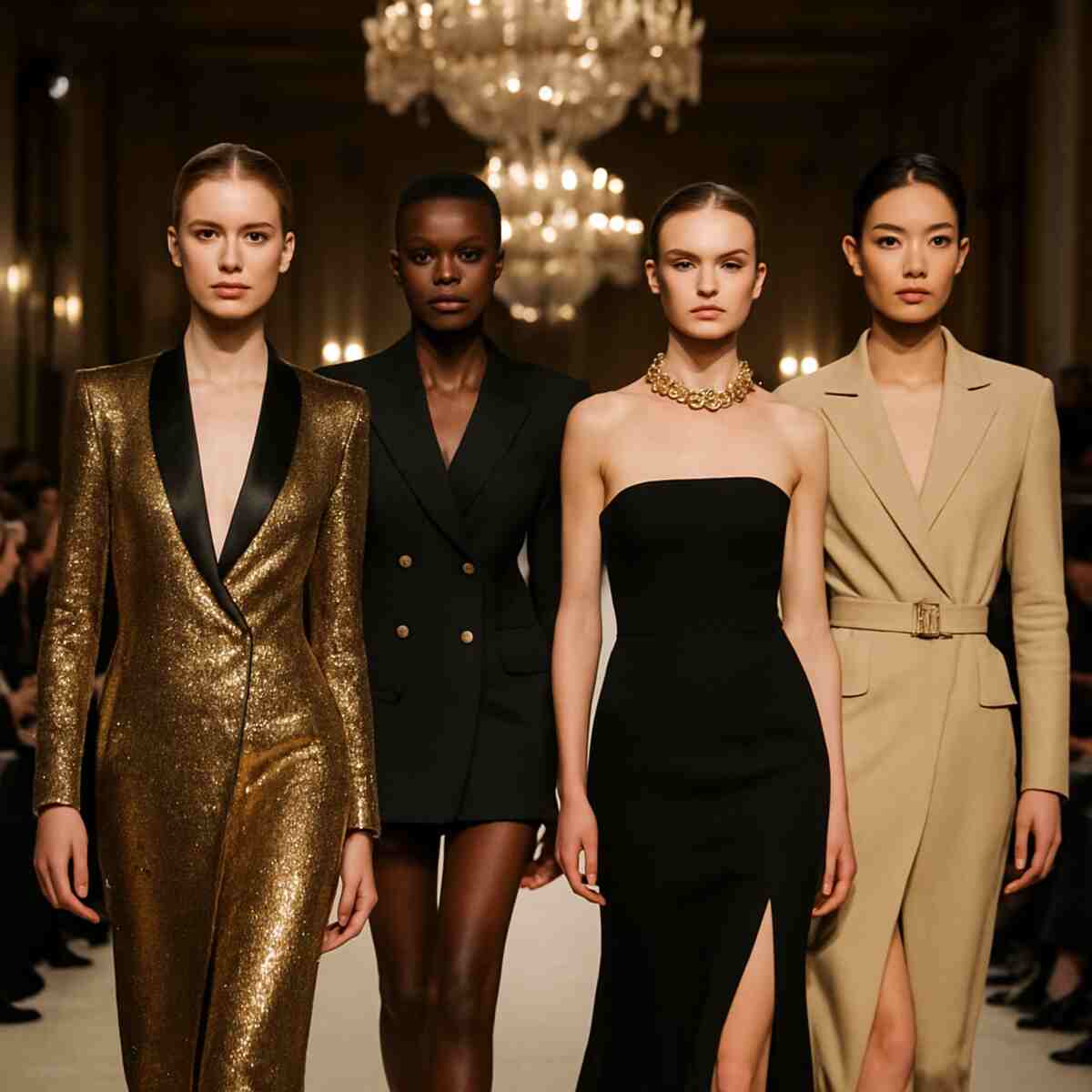

In the rarefied realm of luxury fashion, high-end designer brands represent the pinnacle of sartorial excellence. These brands not only define style with their innovative designs and superior craftsmanship but also encapsulate the zeitgeist of cultural sophistication. This exploration delineates the top high-end designer brands, providing an academic perspective on their influence and legacy. Pick out the high-end designer brands.
Luxury fashion transcends mere apparel to become an art form, a tangible manifestation of cultural and aesthetic ideals. Each high-end designer brand is a beacon of creativity, characterized by its unique philosophy and unparalleled craftsmanship.
The Art of Craftsmanship
The craftsmanship behind luxury fashion is an art form that combines traditional techniques with innovative practices. Artisans spend countless hours perfecting each piece, ensuring that the end product is nothing short of a masterpiece. From the meticulous hand-stitching of a Chanel suit to the intricate embroidery on a Dior gown, craftsmanship is at the core of luxury fashion.
The materials used in these creations are of the highest quality, sourced from the finest purveyors around the globe. Exotic leathers, rare fabrics, and precious metals are employed to craft garments and accessories that exude opulence. The commitment to quality is unwavering, as each brand strives to maintain its legacy of excellence.
The Philosophy of Design
Luxury fashion is not just about creating beautiful garments; it’s about conveying a message through design. Each collection tells a story, reflecting the designer’s vision and the cultural zeitgeist of the time. The philosophy behind a brand’s design is often rooted in its history and the personal beliefs of its founders.
Designers like Coco Chanel and Miuccia Prada have used fashion as a platform to challenge societal norms and redefine femininity. The bold designs of Gucci and the minimalist aesthetic of Prada showcase the diverse philosophies that drive the fashion industry. Understanding these design philosophies provides insight into the ethos of each brand.
Haute Couture: The Pinnacle of Fashion
High fashion, or haute couture, is often considered the epitome of luxury fashion. Haute couture houses adhere to strict criteria set by the Chambre Syndicale de la Haute Couture, ensuring that each garment is a masterpiece. These creations are not only fashion items but also historical artifacts, representing the apex of artistic and technical skill.
Haute couture is a testament to the dedication and skill of the artisans who bring these visions to life. Each piece is custom-made for the client, often requiring multiple fittings to achieve the perfect fit. The exclusivity of haute couture makes it a symbol of status and refinement, coveted by fashion connoisseurs worldwide.
Iconic High-End Designer Brands
This section examines the most illustrious high-end designer brands, highlighting their historical significance and cultural impact.
Chanel: The Epitome of Elegance
Founded by Gabrielle “Coco” Chanel in 1910, Chanel revolutionized women’s fashion by introducing elements of menswear into women’s wardrobes. The brand’s legacy is perpetuated through the iconic Chanel No. 5 fragrance and the classic Chanel suit, emblematic of timeless elegance and modernity.
Chanel’s influence extends beyond fashion, permeating popular culture and redefining femininity. Coco Chanel’s bold vision challenged the status quo, empowering women to embrace simplicity and elegance in their style. The brand continues to innovate under the creative direction of Virginie Viard, honoring Coco Chanel’s legacy while adapting to contemporary trends.
Chanel’s commitment to craftsmanship is evident in every piece, from the meticulous construction of its iconic bags to the intricate detailing of its haute couture gowns. The brand’s ateliers are renowned for their expertise, employing skilled artisans who uphold the tradition of excellence that defines Chanel.
Louis Vuitton: A Legacy of Craftsmanship
Established in 1854, Louis Vuitton is synonymous with luxury and innovation. Initially gaining fame for its high-quality trunks and luggage, the brand has since expanded its repertoire to include an array of fashion items. The LV monogram is a symbol of exclusivity and sophistication, a testament to the brand’s enduring allure.
Louis Vuitton’s history is steeped in innovation, with the brand consistently pushing the boundaries of design and craftsmanship. The introduction of the flat-topped trunk revolutionized travel, setting a new standard for luxury luggage. Today, the brand continues to innovate with collections that blend tradition with modernity.
Under the creative direction of Nicolas Ghesquière, Louis Vuitton has embraced a bold and futuristic aesthetic. The brand’s collaborations with contemporary artists and designers have resulted in unique collections that challenge conventional fashion norms. Louis Vuitton’s commitment to craftsmanship and innovation ensures its continued relevance in the luxury fashion industry.
Dior: A Visionary of Elegance
Christian Dior’s debut collection in 1947, known as the “New Look,” redefined post-war fashion with its emphasis on femininity and luxury. The brand continues to be a paragon of style under the creative direction of Maria Grazia Chiuri, blending tradition with modernity.
Dior’s influence on fashion is undeniable, with the “New Look” transforming the silhouette of women’s fashion in the mid-20th century. The brand’s commitment to elegance and sophistication is evident in every collection, from its haute couture gowns to its ready-to-wear lines.
Maria Grazia Chiuri’s tenure as creative director has brought a new perspective to Dior, infusing the brand with a modern sensibility. Her designs celebrate femininity and empowerment, resonating with contemporary audiences while honoring the brand’s storied heritage. Dior’s legacy of elegance and innovation continues to shape the fashion landscape.
Gucci: Eclectic and Unapologetically Bold
Gucci, founded by Guccio Gucci in 1921, has evolved into a powerhouse of eclectic luxury. Known for its bold designs and innovative use of color and texture, Gucci continuously pushes the boundaries of high fashion under the creative leadership of Alessandro Michele.
Gucci’s transformation under Alessandro Michele has been nothing short of revolutionary. His eclectic designs and maximalist aesthetic have redefined the brand, attracting a new generation of fashion enthusiasts. Gucci’s fearless approach to fashion challenges traditional norms, embracing individuality and self-expression.
The brand’s commitment to sustainability and ethical practices is also noteworthy, with initiatives aimed at reducing its environmental impact. Gucci’s dedication to innovation extends beyond design, as it seeks to lead the industry in responsible luxury. The brand’s bold vision and commitment to excellence ensure its continued prominence in the fashion world.
Prada: Minimalism and Intellectualism
Prada, helmed by Miuccia Prada, is renowned for its minimalist aesthetic and intellectual approach to fashion. The brand’s focus on innovative textiles and clean lines has made it a favorite among fashion connoisseurs seeking understated elegance.
Prada’s minimalist designs are characterized by their simplicity and sophistication, with each piece embodying the brand’s ethos of understated luxury. Miuccia Prada’s intellectual approach to fashion challenges conventional norms, exploring themes of identity and culture through her designs.
The brand’s commitment to innovation is evident in its use of cutting-edge materials and technologies. Prada’s collections often feature innovative textiles and avant-garde designs, pushing the boundaries of traditional fashion. The brand’s focus on sustainability and ethical practices further underscores its commitment to responsible luxury, ensuring its continued relevance in the modern fashion landscape.
The Intersection of Art and Fashion
Luxury fashion is not merely about garments; it is a confluence of art, culture, and history. High-end designer brands often collaborate with artists and cultural institutions, blurring the lines between fashion and fine art.
Art Collaborations and Cultural Impact
Numerous high-end brands have engaged in collaborations with renowned artists, creating unique pieces that transcend traditional fashion boundaries. For instance, Louis Vuitton’s collaboration with artists such as Yayoi Kusama and Jeff Koons has resulted in collections that are both fashion statements and art pieces.
These collaborations offer a fresh perspective on fashion, merging the worlds of art and design to create something truly unique. By partnering with artists, brands are able to explore new creative territories and reach a broader audience. These collaborations also highlight the cultural significance of fashion, as it intersects with other artistic disciplines.
The impact of these collaborations extends beyond the fashion industry, influencing art, culture, and society as a whole. By engaging with contemporary artists, brands are able to stay at the forefront of cultural trends, ensuring their continued relevance in an ever-evolving landscape. These partnerships exemplify the dynamic interplay between fashion and art, showcasing the transformative power of collaboration.
Fashion as Cultural Commentary
Fashion has long been a medium for cultural commentary, reflecting societal values and challenging norms. High-end designer brands often use their collections to address contemporary issues, from gender and identity to sustainability and ethics.
Designers like Stella McCartney and Vivienne Westwood have used fashion as a platform for activism, advocating for environmental and social causes. Their collections serve as a commentary on the state of the world, urging consumers to consider the impact of their choices. This intersection of fashion and culture highlights the role of designers as cultural influencers, shaping public discourse through their work.
The ability of fashion to comment on cultural issues underscores its significance as more than just a consumer product. It is a reflection of the times, capturing the essence of societal shifts and influencing the way we perceive the world. By understanding the cultural commentary embedded in fashion, we gain insight into the complexities of our society.
The Historical Significance of Fashion
Fashion is a living history, capturing the essence of different eras and serving as a record of cultural evolution. High-end designer brands have played a pivotal role in shaping the history of fashion, with their iconic designs becoming symbols of their time.
The legacy of designers like Coco Chanel and Christian Dior is evident in their enduring influence on fashion and culture. Their creations have transcended their original context, becoming timeless pieces that continue to inspire new generations. The historical significance of fashion is not only rooted in its aesthetic appeal but also in its ability to reflect and shape societal values.
By studying the history of fashion, we gain insight into the cultural and social dynamics that have shaped our world. The evolution of high-end designer brands is a testament to the ever-changing landscape of fashion, as it adapts to the needs and desires of each new era. This historical perspective enriches our understanding of fashion as an integral part of our cultural heritage.
The Future of High-End Designer Brands
The luxury fashion industry is in a state of continual evolution, driven by technological advancements and shifting consumer expectations. Sustainability, digital innovation, and ethical production practices are emerging as critical factors in the future of high-end designer brands.
Sustainability and Ethical Fashion
With increasing awareness of environmental and ethical issues, luxury brands are embracing sustainable practices. Brands like Stella McCartney have pioneered eco-friendly fashion, setting a precedent for others to follow. The integration of sustainable practices into the luxury fashion paradigm is essential for maintaining relevance in an increasingly conscious market.
Sustainability is becoming a cornerstone of luxury fashion, as consumers demand more responsible practices from their favorite brands. From sourcing materials to production processes, brands are reevaluating their operations to reduce their environmental impact. Initiatives such as zero-waste design, eco-friendly materials, and ethical labor practices are becoming standard in the industry.
The commitment to sustainability extends beyond individual brands, with industry-wide efforts to promote responsible fashion. Organizations and initiatives are emerging to support sustainable practices, encouraging collaboration and innovation. The future of luxury fashion lies in its ability to balance opulence with responsibility, ensuring its continued relevance in a changing world.
Digital Innovation and the Fashion Experience
The digital revolution has transformed the way consumers interact with high-end designer brands. Virtual reality fashion shows, digital fittings, and online luxury shopping experiences are redefining consumer engagement. Brands that adeptly navigate this digital landscape will continue to thrive.
Digital innovation is reshaping the fashion experience, offering consumers unprecedented access to luxury brands. The rise of e-commerce has made luxury fashion more accessible, allowing consumers to explore and purchase collections from anywhere in the world. Virtual reality and augmented reality technologies are enhancing the shopping experience, providing immersive and interactive encounters with fashion.
The digital landscape also offers new opportunities for personalization and customization, allowing brands to tailor their offerings to individual consumers. Data analytics and artificial intelligence are being used to create personalized recommendations and enhance customer service. As technology continues to evolve, luxury brands are embracing these innovations to create unique and engaging experiences for their customers.
The Role of Technology in Fashion Design
Technology is playing an increasingly important role in fashion design, with innovations in materials and production techniques transforming the industry. From 3D printing to smart textiles, technology is opening up new possibilities for creativity and sustainability in fashion.
3D printing is revolutionizing the way garments are designed and produced, allowing for more complex and intricate designs. This technology also offers the potential for reducing waste, as garments can be printed on demand, minimizing excess production. Smart textiles, which incorporate technology into fabrics, are enabling new functionalities, such as temperature regulation and interactive features.
The integration of technology into fashion design is not only enhancing creativity but also supporting sustainability initiatives. Innovations in materials and production processes are reducing the environmental impact of fashion, making it more sustainable for the future. As technology continues to advance, it will play a crucial role in shaping the future of high-end designer brands.
Conclusion
High-end designer brands represent more than mere fashion labels; they are cultural icons that shape and reflect societal values and aspirations. As the industry evolves, these brands will continue to influence the global fashion landscape with their innovative designs and commitment to excellence. The pursuit of luxury fashion is not simply about acquiring garments; it is about appreciating the artistry, history, and cultural significance embodied in each piece.
In an era where fashion is inextricably linked to identity and expression, understanding these high-end designer brands offers insight into the dynamic interplay between fashion, culture, and society. The legacy of these brands is a testament to the power of creativity and innovation, as they continue to inspire and captivate audiences worldwide. As we look to the future, the enduring influence of high-end designer brands will remain a defining force in the world of fashion and beyond.
