

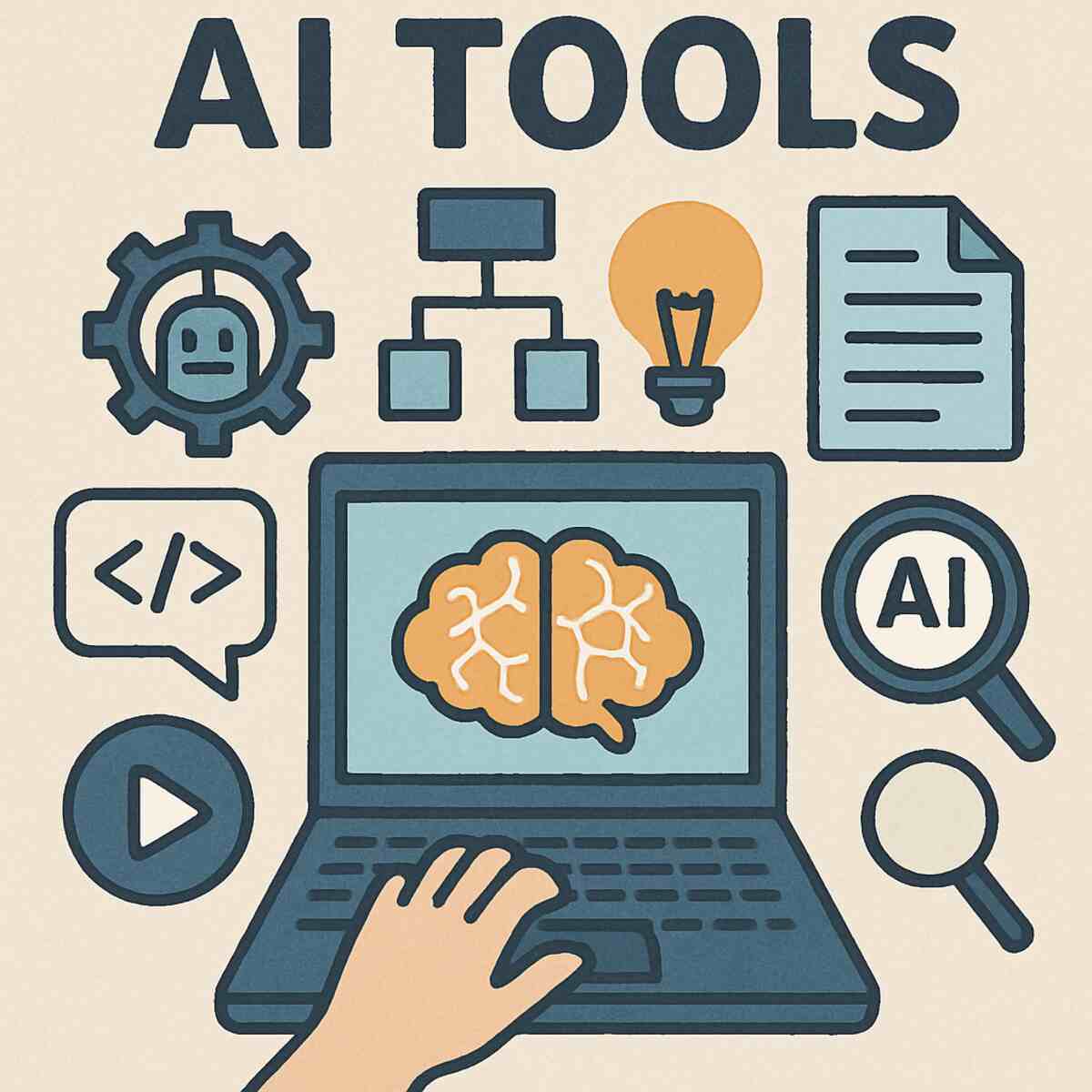

In an era where technological advancements rapidly redefine business landscapes, small businesses are uniquely positioned to leverage artificial intelligence (AI) to enhance operations and drive growth. The integration of AI into small business operations is not merely a futuristic concept but a present-day imperative. This article will delve into the transformative power of AI tools for small businesses, illustrating how they can enhance efficiency, improve customer experiences, and provide a competitive edge. The best guide to finding small business AI tools.
AI tools, tailored specifically for small business applications, encompass a wide range of functionalities. These tools utilize machine learning algorithms and data analytics to automate repetitive tasks, offer personalized customer interactions, and generate business insights that were previously inaccessible or too costly for small enterprises to obtain.
The Spectrum of AI Tools Available
There is an extensive array of AI tools available to small businesses, each catering to different aspects of business operations:
- Customer Relationship Management (CRM): AI-enhanced CRM systems, like Salesforce or HubSpot, use AI to predict customer behavior, personalize marketing efforts, and streamline customer service processes. These systems can analyze customer data to identify trends and patterns, allowing businesses to tailor their approaches for maximum impact. The integration of AI in CRM also enables automated customer segmentation, helping businesses target the right audience with precision.
- Chatbots and Virtual Assistants: Tools such as Chatfuel or Drift enable businesses to provide 24/7 customer support, engage customers on websites, and handle inquiries without human intervention. These AI-powered assistants can manage multiple interactions simultaneously, ensuring no customer is left waiting. Moreover, they can be programmed to handle various languages and cultural nuances, making them versatile tools for global engagement.
- Data Analytics: Platforms such as Tableau or Google Analytics, now infused with AI capabilities, allow businesses to interpret vast datasets, forecast trends, and make data-driven decisions. These tools can identify key performance indicators (KPIs) and track them over time, providing businesses with a clear picture of their growth trajectory. AI-enhanced analytics can also uncover hidden correlations within data, offering insights that would otherwise go unnoticed.
- Marketing Automation: AI-driven tools like Mailchimp or Marketo automate marketing campaigns, segment audiences, and optimize content delivery times for maximum engagement. These tools can analyze customer interactions and adjust marketing strategies in real-time to improve effectiveness. AI in marketing automation also facilitates A/B testing at scale, enabling businesses to refine their messaging and approach continuously.
- Supply Chain and Inventory Management: AI tools can optimize inventory levels and supply chain logistics by predicting demand and identifying potential disruptions. By analyzing historical sales data and external factors such as weather patterns or economic indicators, AI can help businesses maintain optimal stock levels, reducing waste and improving cash flow. This proactive approach ensures that small businesses can meet customer demand promptly without overcommitting resources.
The Benefits of Implementing AI Tools
Implementing AI tools can yield numerous benefits for small businesses:
- Operational Efficiency: By automating routine tasks, AI frees up human resources to focus on more strategic initiatives, thus increasing overall productivity. This shift allows employees to engage in higher-value activities, such as strategic planning and innovation, which drive business growth.
- Enhanced Customer Experience: AI tools facilitate personalized interactions, resulting in improved customer satisfaction and retention. By leveraging AI, businesses can offer tailored solutions and recommendations, creating a more engaging and meaningful customer journey. This personalization fosters loyalty and encourages repeat business.
- Cost Reduction: Automation reduces the need for extensive manpower, consequently lowering operational costs. With AI handling repetitive tasks, businesses can optimize their workforce, allowing them to redirect resources towards areas that require human intuition and creativity.
- Competitive Advantage: AI-driven insights allow small businesses to anticipate market trends and customer needs, giving them a strategic edge over competitors. By staying ahead of industry developments, businesses can position themselves as leaders and innovators within their market, attracting new customers and retaining existing ones.
Practical Applications of AI in Small Businesses
The utilization of AI transcends theoretical benefits, offering tangible improvements across various business functions.
Streamlining Operations
AI tools can significantly streamline business operations. For instance, AI-driven inventory management systems predict stock levels and optimize supply chain processes. This ensures that businesses maintain optimal inventory levels, reducing waste and minimizing storage costs. Additionally, AI can automate administrative tasks such as scheduling and invoicing, allowing business owners to focus on strategic growth initiatives. By integrating AI into these operational areas, small businesses can achieve greater efficiency and scalability.
Enhancing Customer Interactions
AI-powered chatbots and virtual assistants have revolutionized customer service. These tools handle routine inquiries, resolve common issues, and escalate complex problems to human agents as needed. The result is a seamless customer experience that enhances brand reputation and builds customer loyalty. Furthermore, AI can analyze customer feedback in real-time, providing businesses with valuable insights into customer preferences and pain points. This data-driven approach enables businesses to make informed decisions that improve service quality and customer satisfaction.
Data-Driven Decision Making
AI tools excel in analyzing data, providing small businesses with insights that inform strategic decisions. By recognizing patterns and predicting outcomes, AI enables businesses to make informed decisions that drive growth and profitability. For example, AI can forecast sales trends based on historical data, allowing businesses to adjust their strategies proactively. Additionally, AI can identify emerging market opportunities, helping businesses to innovate and expand their offerings in response to changing consumer demands.
Marketing Optimization
AI tools facilitate precise targeting in marketing campaigns. By analyzing customer data, these tools identify ideal customer segments, personalize content, and optimize delivery times. This level of precision ensures marketing efforts are efficient, effective, and yield a higher return on investment. Moreover, AI can track campaign performance in real-time, providing businesses with actionable insights to refine their strategies continuously. By leveraging AI in marketing, small businesses can enhance their reach and engagement, driving customer acquisition and retention.
Challenges and Considerations
While the benefits of AI are substantial, small businesses may face challenges when integrating these technologies.
Cost of Implementation
Initial costs for AI tools can be prohibitive for small businesses. However, the long-term savings and benefits often outweigh these initial investments. Businesses must carefully assess their needs and budget to determine the most suitable AI solutions. By prioritizing high-impact areas and exploring scalable, cost-effective options, small businesses can maximize their return on investment and achieve sustainable growth.
Data Privacy Concerns
With AI’s reliance on data, businesses must ensure compliance with data privacy regulations. Implementing robust data protection measures is essential to safeguard customer information and maintain trust. Businesses should invest in secure data storage solutions and adopt transparent data handling practices. Additionally, educating employees and customers about data privacy can further reinforce trust and demonstrate a commitment to ethical practices.
Skill Gaps
The successful implementation of AI tools requires a certain level of technical expertise. Small businesses may need to invest in training or hire specialists to manage these tools effectively. By building a skilled workforce, businesses can fully leverage AI capabilities and drive innovation. Collaborating with external experts or consultants can also provide valuable insights and support during the initial stages of AI integration, ensuring a smooth transition and maximizing the benefits of these technologies.
Steps to Successfully Implement AI in Small Businesses
To harness the power of AI, small businesses should take a strategic approach:
- Identify Business Needs: Pinpoint areas where AI can add value, such as customer service, marketing, or operations. Conducting a thorough analysis of existing processes and pain points can help businesses prioritize AI initiatives and focus on areas with the greatest potential for improvement.
- Choose the Right Tools: Select AI tools that align with business goals and offer the necessary functionality. By evaluating different options and considering factors such as scalability, ease of use, and cost, businesses can make informed decisions that support long-term success.
- Invest in Training: Equip employees with the skills needed to utilize AI tools effectively. Providing comprehensive training and resources can empower employees to embrace AI technologies and contribute to their successful implementation.
- Monitor and Adjust: Continuously assess the performance of AI tools and make adjustments as needed to optimize outcomes. By regularly reviewing key metrics and gathering feedback, businesses can identify areas for improvement and refine their strategies over time.
Conclusion
AI tools for small businesses offer a transformative potential that, when harnessed effectively, can lead to significant competitive advantages. From streamlining operations to enhancing customer experiences, AI provides small businesses with opportunities to innovate and excel in today’s dynamic market. As the digital landscape continues to evolve, embracing AI is not just an option but a strategic necessity for small businesses aiming to thrive in the modern economy. By taking a proactive approach to AI integration, small businesses can unlock new possibilities and achieve sustainable growth in an increasingly competitive environment.
